Leave Your Message

7 Best Enameled Wire Strippers for Global Buyers

Choosing the right Enameled Wire Stripper can determine whether delicate coils stay usable or become expensive scrap. For global buyers, the decision involves more than cutting performance. Wire diameter, enamel hardness, insulation thickness, grip comfort, replacement parts, and supplier consistency all matter. A tool that performs smoothly on a 0.2-millimeter copper wire may damage a thicker magnet wire. Small differences matter.

This guide examines seven strong options for workshops, repair benches, motor production, and electronics assembly. The comparison focuses on practical handling, stripping accuracy, durability, adjustment control, and suitability for repeated work. It also considers packaging quality, technical documentation, warranty support, and shipping reliability. These details often reveal whether a product is ready for professional use. Barely adequate tools can look attractive online. They may disappoint after a few hours of repetitive stripping.

No tool is perfect. A compact stripper may offer excellent control but slower operation. A powered model may improve productivity while requiring more maintenance and careful setup. Product descriptions can also omit important limits, especially for enamel thickness and wire size. Buyers should verify specifications with the manufacturer before ordering large quantities. This review offers a practical starting point, not a substitute for testing. A short sample trial can expose problems that photographs never show. That is worth remembering.
7 Best Enameled Wire Strippers for Global Buyers

What Enameled Wire Strippers Are and How They Work

Enameled wire strippers remove the thin insulating film surrounding magnet wire. Unlike ordinary cable strippers, they must expose copper without cutting delicate strands or reducing conductor diameter. Most tools use adjustable blades, controlled pressure, or abrasive surfaces. Some models add heat to soften the enamel before mechanical removal. The correct method depends on wire gauge, insulation type, and winding requirements.

The process is simple, but accuracy matters. Set the stripping depth slightly above the copper surface. Rotate the wire evenly, then pull away the loosened coating. A sharp blade can leave a barely visible nick. That defect may become a failure point under vibration or repeated thermal cycling. I have found that visual inspection alone is unreliable; a magnifier and continuity check are better practice.

Industry data shows why this small operation deserves attention. The International Energy Agency has estimated that electric motor systems consume about 46% of global electricity. Magnet wire quality directly affects many of those systems. The U.S. Department of Energy also reports that motor systems represent roughly 70% of industrial electricity use in the United States. These figures are not stripper performance ratings, but they show the scale of applications involved. IEC 60317 and ASTM D1676 define important requirements for enamelled magnet-wire insulation. They do not guarantee a tool will match every wire. That assumption is risky. Test on scrap wire first, especially when changing enamel grade, diameter, or stripping method.
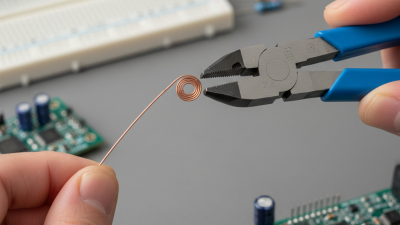

Key Features to Compare Before Choosing a Wire Stripper

7 Best Enameled Wire Strippers for Global Buyers

Key Features to Compare Before Choosing a Wire Stripper

Choosing an enameled wire stripper starts with the wire, not the tool’s appearance. Check its supported diameter range in millimeters and gauge sizes. A narrow range may suit fine motor windings but fail on thicker copper wire. Adjustable stripping depth is valuable because enamel coatings vary in hardness and thickness. Too much pressure can nick the conductor. That damage may appear later during winding or soldering.

Blade quality deserves close inspection. Hardened steel blades usually provide cleaner cuts and longer service. However, sharpness alone is not enough. The blade profile should match round, magnet, or winding wire. Some tools use replaceable blades, which can reduce long-term costs. Confirm that replacements are available in your market. Small details matter.

Grip design affects real workshop performance. A non-slip handle helps during repetitive stripping, especially with small wires. Spring-assisted opening can reduce hand fatigue. Look for clear adjustment marks and a locking mechanism for storage. Metric markings are helpful for international buyers, while dual measurements prevent selection mistakes. Ask whether the tool has been tested on the wire types you use. Product descriptions can be vague.

Manual testing remains wise. Try several wire sizes and inspect the copper under bright light. A few light passes are often safer than one forceful pull. No stripper is perfect. Even an expensive tool may need adjustment after regular use. Replacement parts, user instructions, packaging protection, and responsive technical support also reveal how reliable the supplier may be.

7 Best Enameled Wire Strippers for Global Buyers - Key Features to Compare Before Choosing a Wire Stripper

Rank Stripper Type Typical Wire Diameter Compatible Enamel Coatings Operating Method Main Advantages Main Limitations Best Use
1 Adjustable Thermal Stripper Approximately 0.05–1.00 mm Common solderable and thermally removable enamel coatings; verify the coating temperature rating A heated blade softens or removes the insulation at a controlled temperature Clean stripping, adjustable heat, low risk of nicking the copper conductor Requires electrical power, ventilation, and correct temperature adjustment Fine magnet wire, coil winding, motor repair, and laboratory work
2 Precision Mechanical Enamel Stripper Approximately 0.10–0.50 mm Thin polyurethane, polyester, and similar enamel films suitable for light abrasion Adjustable blades or scraping jaws remove the coating without heating Portable, reusable, easy to control, and suitable for short exposed ends Incorrect blade depth can scratch or reduce the copper conductor diameter Electronic assembly, prototype repair, and low-volume production
3 Rotary Abrasive Stripper Approximately 0.20–2.00 mm Hard or heat-resistant enamel coatings that are difficult to remove with heat alone A rotating abrasive wheel, belt, or brush removes the coating mechanically Works with tougher coatings and larger wire sizes; suitable for repeated stripping Creates dust, may produce a rough surface, and needs careful pressure control Repair shops, winding departments, and medium-volume production
4 Thermal Knife or Hot-Blade Stripper Approximately 0.15–1.50 mm Thermally softenable enamel systems; suitability depends on the coating chemistry A heated blade cuts through or lifts the enamel at the stripping point Fast spot stripping, adjustable contact area, and useful for irregular wire ends Can discolor copper, generate fumes, or overheat nearby insulation if misused Transformer leads, coil connections, and repair work requiring localized stripping
5 Laser Wire Stripper Approximately 0.02–3.00 mm, depending on the system Selected enamel coatings that absorb the laser wavelength effectively A focused laser ablates the coating while leaving the metal conductor largely intact Highly repeatable, contact-free, precise, and suitable for automated processes High purchase cost, operator-safety requirements, and coating-specific setup High-volume manufacturing, aerospace electronics, and fine-wire applications
6 Fiber-Optic-Style Precision Stripper Adapted for Fine Wire Approximately 0.08–0.30 mm Thin, relatively soft enamel films that can be cut with a precision guide A calibrated opening and small cutting edge remove a controlled length of coating Compact, consistent stripping length, and good visibility for delicate conductors Limited diameter range and not suitable for thick, hard, or heavily bonded enamel Small coils, sensors, miniature transformers, and precision electronics
7 Bench-Mounted Automatic Stripping Machine Approximately 0.20–5.00 mm, depending on tooling Coatings supported by the selected blade, abrasive, or thermal head Motorized feed and programmable stripping length remove enamel consistently High repeatability, adjustable strip length, and reduced operator fatigue Higher cost, larger footprint, setup time, and regular tool maintenance Batch production, repetitive coil work, and industrial harness preparation

Note: Diameter ranges are typical working ranges for these tool categories rather than universal specifications. Buyers should confirm the wire diameter, enamel type, required strip length, conductor material, power standard, safety certifications, and replacement-tool availability before purchase.

Seven Top Enameled Wire Strippers for Global Buyers

Seven Top Enameled Wire Strippers for Global Buyers

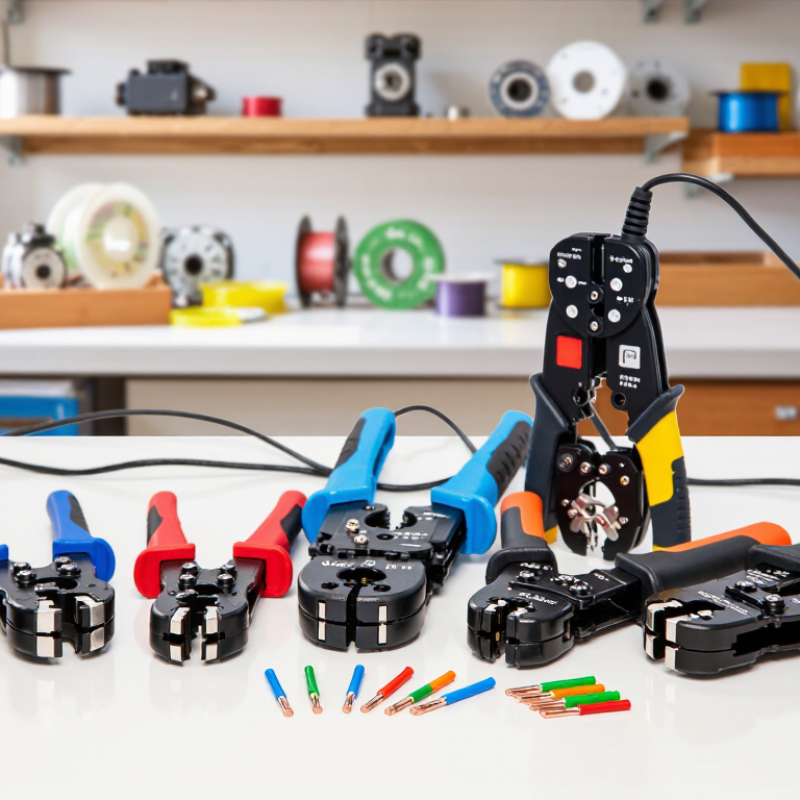
Choosing among the seven top enameled wire strippers requires more than comparing prices. Global buyers should check stripping accuracy, handle comfort, blade hardness, and compatibility with common wire diameters. A reliable tool removes insulation cleanly without cutting copper strands. That detail matters during motor winding, transformer assembly, and small electrical repairs. Manual, adjustable, thermal, and precision models each suit different work conditions. The best choice depends on enamel thickness, daily workload, and operator experience.

Tips: Test the stripper on spare wire first. Check the cut under bright light. If copper marks appear, reduce pressure or adjust the blade. Buyers should also confirm measurement units, replacement parts, packaging quality, and supplier support before ordering. Product photos can mislead. A written specification is safer.

For international purchasing, look for clear material descriptions and consistent quality records. Hardened blades may last longer, but overly aggressive edges can damage fine conductors. Ergonomic grips reduce hand strain during repetitive stripping, although comfort is difficult to judge from a product page. I have found that simple tools often perform better when adjusted carefully. Still, no single stripper fits every workshop. Compare sample results, expected volume, and shipping conditions before selecting one of these seven leading options.

How to Match a Stripper with Wire Size and Insulation

Choosing an enameled wire stripper starts with the conductor diameter, not the tool’s appearance. Measure the bare wire with a micrometer when possible. A difference of 0.02 mm can affect winding quality. Match the stripper’s working range with the wire size, including very fine magnet wire used in compact coils. The cutting edges should remove enamel cleanly without reducing the copper diameter.

Insulation type also matters. Polyurethane enamel may soften during controlled heating, while tougher polyester or polyimide coatings often need sharper mechanical action. Check the insulation’s heat tolerance before selecting a thermal stripper. Excessive heat can discolor copper, weaken nearby insulation, or leave residue on the tool. Manual strippers offer better control, but they require steady pressure. Automatic models can improve speed, yet they may over-strip thin wire if poorly adjusted.

Tips: Test the stripper on a short wire sample first. Look for a smooth copper surface, not scratches or flattened sections. Adjust the blade depth gradually. I have found that removing insulation in two light passes is sometimes safer than one aggressive cut. Still, this depends on coating thickness and operator skill. Keep the tool clean, and inspect the first few stripped ends under magnification. A perfect setting on one enamel type may fail on another. That small detail is easy to overlook.

7 Best Enameled Wire Strippers for Global Buyers: Match the Tool to Wire Size

Nominal bare-copper conductor diameter by AWG size. Use precision mechanical strippers for larger magnet wire, thermal or chemical methods for very fine wire, and always verify the enamel build before setting the tool.

Reference values: nominal AWG copper conductor diameters based on ASTM B258. Actual finished magnet-wire diameter depends on enamel insulation grade and build, so the stripping opening should be adjusted to avoid nicking the conductor.

Safety, Maintenance, and International Buying Considerations

7 Best Enameled Wire Strippers for Global Buyers

Choosing among seven common stripper types starts with wire size and enamel thickness. Adjustable thermal strippers remove coatings cleanly from fine magnet wire. Precision blades suit occasional bench work. Rotary models offer consistent results on repeated jobs. Pneumatic tools reduce hand fatigue in production settings. Abrasive wheels work quickly, but they may create dust and nick copper. Chemical-free ultrasonic systems can protect delicate conductors. Compact manual tools remain practical for field repairs and small workshops.

Safety requires more than wearing gloves. Disconnect equipment before stripping installed wiring. Use eye protection when fragments or dust may travel. Keep fingers behind the cutting edge. Thermal tools need a stable, heat-resistant surface and ventilation. I once selected a blade too narrow for thick enamel. It dragged, slipped, and damaged the conductor. That mistake changed my inspection routine. Measure the wire first, then test on scrap material.

Maintenance is simple, but often ignored. Remove enamel residue after each session. Check blade alignment, jaw pressure, cords, and heating elements weekly. Store tools dry, especially during overseas transport. Global buyers should confirm voltage, plug type, replacement parts, packaging strength, and technical support. Ask for material compatibility and tolerance data, not only attractive product photos. Verify conformity documents against the destination market’s current requirements. Translation errors can hide important warnings. Delivery time also depends on customs procedures and seasonal delays. A lower purchase price may become expensive when spare parts are unavailable.