Choosing a Polyester Coated Chain Link fence is not simply a color decision. It affects corrosion resistance, appearance, maintenance, and service life. Grand View Research identifies protective coatings and outdoor durability as important trends within the global fencing market. The Freedonia Group also reports continuing demand for fencing in residential, commercial, and infrastructure projects. These findings make product details worth examining closely.
“Coating quality is only one part of fence performance; preparation, installation, and site exposure matter equally,” says Dr. Elena Marquez, an independent polymer-coatings specialist. Her point is practical. A glossy black finish may look excellent in a showroom, yet fail expectations near salt air, irrigation chemicals, or standing water. Small details matter. Check the coating process, wire gauge, mesh size, core material, and warranty language. Also inspect a sample under daylight. Some finishes appear darker indoors.
This guide presents seven practical tips for buying Polyester Coated Chain Link. It considers coating adhesion, galvanized protection, UV exposure, fittings, installation conditions, maintenance needs, and supplier reliability. The recommendations reflect common industry standards, but no fence performs perfectly everywhere. That is the part buyers often overlook. A cheaper quote can become expensive after premature fading, damaged edges, or incorrect posts. Before ordering, compare technical documents with the actual conditions around your property. A fence should suit the site, not merely the catalogue photograph.
Understanding Polyester Coated Chain Link Fence
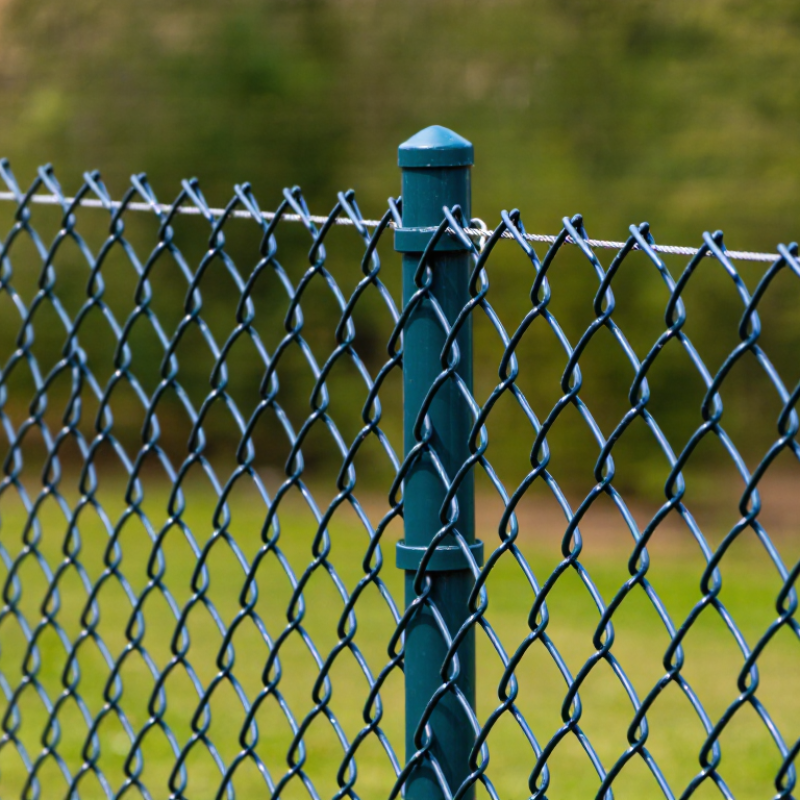
Polyester coating gives galvanized steel a smoother, colored surface and an added barrier against moisture. In field inspections, I look closely at coating thickness, adhesion, and exposed cut ends. A glossy finish alone proves little. Ask for coating specifications and independent test results when available. Cheap mesh can look convincing at the gate, then show scratches near posts. That detail matters.
Measure the opening before ordering. Fence height, mesh size, wire diameter, and post spacing must match the site. Smaller openings resist climbing and contain smaller animals, but they use more material. Check the polyester layer for even coverage, especially around bends and corners. Inspect welded or woven connections for sharp projections. Confirm that fittings, ties, and gates use compatible corrosion-resistant materials. Mixed metals may age differently. I have seen good mesh weakened by poor hardware.
Study the installation area for standing water, salt spray, and lawn chemicals. These conditions can shorten service life, even with sound coating. Request a sample and bend it gently; cracking or flaking deserves attention. Verify the warranty’s limits, maintenance duties, and repair process. Do not rely on color matching alone. Dark colors may reveal dust and scratches sooner. Plan access for cleaning and inspect the bottom edge each season. My own mistake was ignoring drainage, which later increased cleaning and repair work. A small trial section can expose problems before the full purchase.
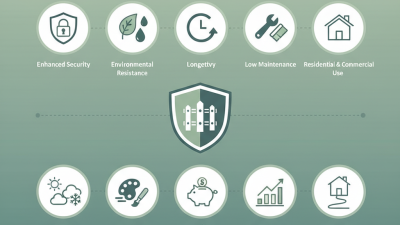
Understanding the mesh opening helps match a polyester-coated chain link fence to privacy, security, pet containment, and general boundary applications.
How to read the chart: Smaller mesh openings provide better containment and make climbing more difficult, while larger openings generally use less material and can be suitable for basic boundary fencing. The sizes shown are common nominal mesh options; confirm local regulations, wire diameter, coating quality, post spacing, and installation requirements before purchasing.
A polyester-coated chain link fence should feel firm, not thin or brittle. Inspect the wire at a cut end. Uneven diameter, sharp burrs, or loose weaving can signal weak manufacturing control. Ask for the steel grade, wire diameter, mesh opening, and coating thickness in writing. ASTM F668 provides relevant requirements for polymer-coated steel chain-link fabric.
Tip: Compare coating samples under daylight. Polyester should cover the wire evenly, including bends and selvage edges. Look for pinholes, blisters, fading, or exposed zinc. A small defect can become a rust spot after repeated rain. The NACE IMPACT study estimated global corrosion costs at about 3.4% of worldwide GDP. That figure is broad, but it shows why surface protection deserves attention.
Tip: Request independent test records. Check adhesion, impact resistance, salt-spray exposure, and ultraviolet performance. A supplier’s attractive sample proves little without test conditions. Also review the zinc layer beneath the polyester coating. More coating is not always better if bonding is poor. I would measure several wire points, because one reading can mislead. ASTM specifications, installation records, and a clear warranty create stronger evidence than marketing language. Some buyers overlook posts, ties, and gates; mismatched coatings can age visibly beside the main fabric.
Tip 1: Match fence height to the real purpose. For residential boundaries, a 4- to 6-foot fence often provides practical separation. A taller fence may improve privacy, but it also catches more wind. Measure the ground carefully, especially on slopes. A small mistake at the start becomes obvious near the gate.
Tip 2: Choose mesh size according to what must stay in or out. A 2-inch mesh works well for many general property applications. Smaller mesh can help contain small pets and reduce gaps near busy areas. Larger mesh usually costs less and feels more open. I once underestimated a puppy’s persistence; the wider mesh was clearly unsuitable.
Tip 3: Wire gauge affects strength, flexibility, and price. Lower gauge numbers usually mean thicker wire. For active yards, agricultural areas, or locations exposed to impacts, select a heavier gauge. A lighter gauge may suit decorative boundaries with limited contact. Check the polyester coating for even coverage, firm adhesion, and exposed cuts. Compare the core wire, coating thickness, and post spacing together, not separately.
Fence height, mesh size, and wire gauge should work as one system. A tall fence with thin wire can feel unstable. A tight mesh may still fail if posts are poorly anchored. Ask an experienced installer to review soil conditions and expected loads before ordering. Specifications on paper do not always match the ground.
Polyester-coated chain-link fencing should be compared by installation method, not color alone. A driven-post system is fast on firm soil, while concrete-set posts provide better resistance in loose ground. Stepped or raked installation may reduce excavation on slopes, but it can increase labor. The U.S. Census Bureau recorded approximately $2.15 trillion in U.S. construction spending during 2024, showing why labor availability can affect regional quotes.
Tip 1: Request pricing per linear foot, including posts, gates, tension wire, concrete, delivery, removal, and tax. Published 2024 cost surveys from Angi and HomeGuide commonly place installed chain-link fencing near $15–$35 per linear foot, but polyester coating, height, terrain, and gate hardware can change the figure.
Tip 2: Ask whether posts are driven or concrete-set.
Tip 3: Require a written soil and slope allowance. Buried concrete is often missed.
Tip 4: Check coating thickness, adhesion testing, and product specifications. ASTM F567 provides recognized guidance for chain-link fence installation.
Tip 5: Compare warranty coverage for coating, framework, and labor separately.
Tip 6: Confirm lead times and replacement-part availability in writing.
Tip 7: Choose a supplier offering a site survey, marked layout, delivery inspection, and installation records. A low quote can still be the wrong quote. I would keep a contingency for rocky soil, uneven grades, and an occasional measurement mistake.
7 Tips for Buying Polyester Coated Chain Link Fence
Durability begins beneath the colored surface. Ask for the core-wire diameter, zinc coating class, polymer thickness, and test results. ASTM A392 covers zinc-coated steel chain link fencing, while ASTM F668 addresses polymer-coated wire. These standards help, but they do not guarantee identical field performance. In my inspections, small scratches around gates often become the first visible corrosion points. Check cut ends, ties, posts, and welded fittings carefully. A glossy finish can mislead me.
Maintenance needs depend on exposure. Coastal air, road salt, standing water, and irrigation chemicals can shorten coating life. The NACE IMPACT study estimated global corrosion costs at about 2.5 trillion dollars annually, equal to 3.4% of global GDP. That figure is not fence-specific, yet it shows why early inspection matters. Rinse salt deposits with clean water, remove soil from the bottom edge, and inspect twice yearly. Keep records. My own mistake was checking only the mesh, not the post interiors.
Warranty coverage deserves slow reading. Look for separate periods covering coating adhesion, rust-through, structural failure, and accessories. Confirm whether labor, freight, cutting, improper installation, and harsh environments are excluded. Ask how claims are documented. Photos, invoices, installation dates, and maintenance logs may be required. A ten-year warranty may sound strong, but a narrow rust-through clause can offer little protection. Request the complete written terms before purchasing. Verbal assurances fade quickly.
| Tip | What to Check | Practical Buying Benchmark | Maintenance and Durability Implication | Warranty Questions to Ask |
|---|---|---|---|---|
| 1 | Confirm the base metal and corrosion protection beneath the polyester coating. | Ask whether the mesh is galvanized steel and request the stated zinc coating class, coating mass, or thickness. A heavier zinc layer generally provides more sacrificial corrosion protection than a lighter layer. | The polyester layer is a barrier, while zinc helps protect exposed steel at scratches or cut edges. Both layers should be intact and evenly applied. | Does the warranty cover red rust, premature corrosion, and coating failure separately? Are cut edges, scratches, and installation damage excluded? |
| 2 | Inspect the polyester coating for uniform coverage and adhesion. | Look for an even color and surface without pinholes, blistering, peeling, cracking, bare areas, or heavy runs. Request coating thickness and adhesion-test information when available. | A continuous, well-adhered coating reduces moisture and salt contact with the steel. Poor adhesion can lead to localized peeling and faster corrosion. | Is fading, chalking, peeling, or cracking included? What test method and acceptance level are used to assess coating adhesion? |
| 3 | Match wire diameter, mesh opening, and framework strength to the application. | Choose a smaller mesh opening or heavier wire where tamper resistance is important. For ordinary residential use, verify that the selected line posts, terminal posts, rails, and fittings are compatible with the mesh. | Heavier components resist bending and impact better, while correctly sized posts reduce sagging and movement. Coating alone does not compensate for an undersized structure. | Does coverage include structural distortion, broken wires, or only coating defects? Are posts, rails, ties, gates, and fittings covered under the same terms? |
| 4 | Evaluate the fence location and exposure conditions before selecting the finish. | Consider humidity, coastal salt, de-icing salts, industrial pollutants, irrigation, standing water, and contact with soil or vegetation. Higher-corrosion environments require more careful material and installation specifications. | Regular rinsing is especially useful in coastal or salt-exposed areas. Preventing soil contact and stagnant water helps reduce corrosion at the bottom of the fence. | Are coastal, poolside, high-humidity, or industrial environments covered? Is the warranty reduced when the product is installed in a specified corrosion zone? |
| 5 | Review the installation requirements and edge-treatment instructions. | Use compatible coated ties, tension wire, posts, caps, and fittings. Seal or protect cut wire ends as directed, avoid dragging panels across hard surfaces, and follow the required post depth and concrete-setting guidance. | Many premature failures begin with damaged coating, incompatible hardware, poorly supported posts, or unprotected cut ends rather than normal weathering. | Is professional installation required for warranty validity? Which installation errors, field cuts, modifications, or non-matching accessories void coverage? |
| 6 | Estimate routine cleaning and inspection needs realistically. | Plan periodic visual inspections and wash the fence with clean water and a mild, non-abrasive detergent when dirt, salt, bird waste, or chemical residue accumulates. Avoid harsh abrasives and unsuitable solvents. | Cleaning removes contaminants that can hold moisture against the coating. Trim vegetation away from the fence and repair damaged areas promptly using compatible materials. | Does the warranty require documented cleaning or inspection? Which cleaning products, touch-up methods, and repair procedures are approved? |
| 7 | Compare the written warranty, service process, and expected appearance standards. | Check the warranty duration, coverage start date, remedy offered, claim documentation, geographic limits, transferability, and exclusions. Treat “limited lifetime” language as incomplete until all conditions are read. | A longer term is not automatically better if coverage excludes installation, fading, surface damage, harsh environments, or normal color variation. | Who handles claims, what photographs or purchase records are required, and whether the remedy is repair, replacement, refund, or prorated credit? |