Why Choose Soldering Enamel Coated Wire for Your Next Project?
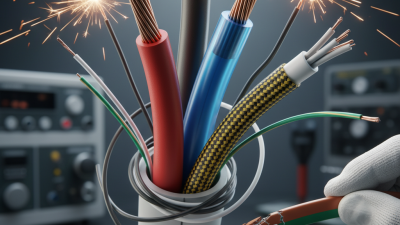
In the world of electronics, choosing the right materials is essential. Soldering Enamel Coated Wire has emerged as a go-to option for many projects. Expert engineer James Rutherford emphasizes the importance of this wire: "The coating provides superior insulation and durability." This feature makes it ideal for intricate wiring tasks.
When working on sensitive electronic projects, having reliable materials matters. Soldering Enamel Coated Wire can withstand higher temperatures. This offers peace of mind when soldering delicate components. However, not all users appreciate the nuances of handling this type of wire. Some struggle with its flexibility, which can be a challenge during installation.
The beauty of Soldering Enamel Coated Wire lies in its versatility. It can be used in various applications, from audio equipment to robotics. Yet, choosing the right size and coating thickness can be tricky. Users must think carefully before making a decision. This wire is not a one-size-fits-all solution. It demands attention to detail and a willingness to experiment.
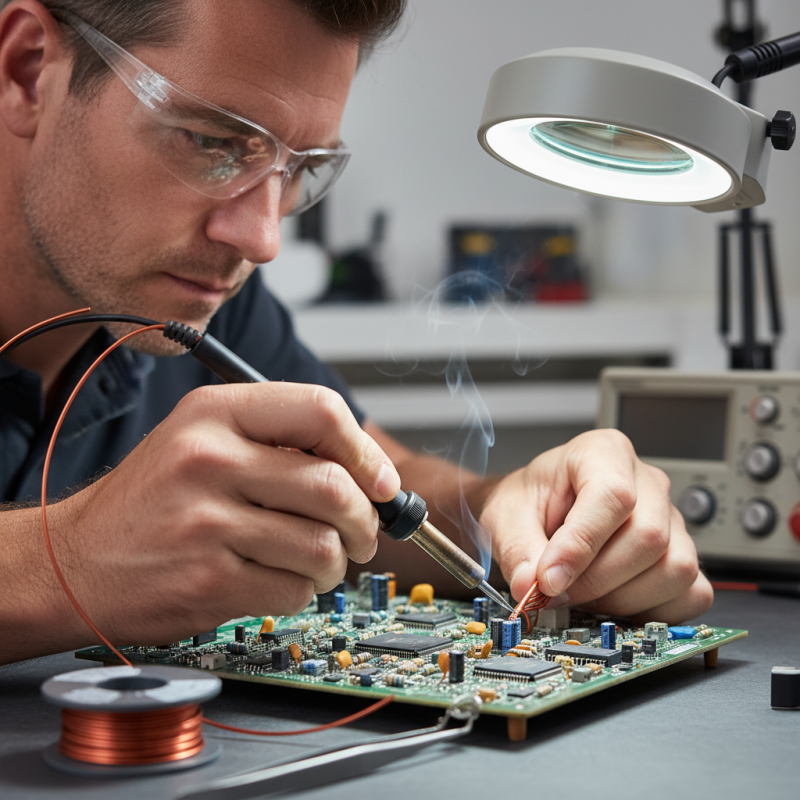
Benefits of Using Soldering Enamel Coated Wire in Electronics Projects
Soldering enamel coated wire is gaining traction in the electronics field. This wire type offers several advantages over traditional options. For instance, the enamel coating enhances insulation and reduces the risk of short circuits. According to a report from the Electronics Industry Association, using coated wire can decrease failure rates by up to 20%. This can lead to higher reliability in critical applications.
The flexibility of soldering enamel coated wire is another significant benefit. This wire can easily conform to various layouts. Project designers appreciate how easy it is to manipulate during assembly. On the downside, some users report issues with solder adhesion. It’s essential to strip the coating properly to ensure a good connection. Neglecting this can lead to delays in project timelines.
In terms of performance, testing shows that enamel coated wires withstand heat better than non-coated alternatives. A study by the Institute of Electrical and Electronics Engineers revealed that wires maintain integrity even at elevated temperatures. However, one must consider handling techniques. Improper handling can lead to damage. Despite these challenges, many still prefer using soldering enamel coated wire for its overall benefits.
Why Choose Soldering Enamel Coated Wire for Your Next Project? - Benefits of Using Soldering Enamel Coated Wire in Electronics Projects
| Benefit |
Description |
Application |
| High Insulation Resistance |
Reduces the risk of short circuits and improves overall circuit reliability. |
Use in sensitive electronics and high-frequency applications. |
| Heat Resistance |
Can withstand high temperatures without degrading the insulation. |
Ideal for soldering applications involving heat-generating components. |
| Flexibility |
Allows for easy routing in tight spaces, making wiring simpler. |
Useful in compact electronic designs and mobile devices. |
| Durability |
Resistant to abrasion and mechanical stress, ensuring long-term performance. |
Applicable in environments where wires are subject to movement and strain. |
| Low Electromagnetic Interference |
Reduces interference with sensitive signals, providing cleaner performance. |
Important in audio and communication devices. |
Comparison of Soldering Enamel Coated Wire with Other Types of Wire
When considering wire for your next soldering project,
soldering enamel-coated wire stands out. It has unique properties that make it preferable.
This wire features a thin enamel insulation layer, which allows for easier soldering and
excellent conductivity.
Compared to regular copper wire, the enamel layer provides a low-friction surface. That can make a significant
difference in tight spaces.
However, there are some trade-offs. Enamel-coated wire can be trickier to strip. The insulation requires
careful handling to avoid damage. Other wires like plastic-coated ones are easier to work with, but they may
not offer the same conductivity benefits. Another downside is that soldering may require more patience.
Rushing could lead to poor connections. It's essential to
take time during the soldering process to ensure a reliable outcome.
Different types of wire serve various purposes. While enamel-coated wire excels in electrical and
thermal applications, it can fall short in mechanical durability. Other wires
might be more suitable for heavy-duty tasks. Each type has its strengths and weaknesses, making it crucial to
evaluate your project's specific requirements.
How to Choose the Right Gauge of Soldering Enamel Coated Wire
Choosing the right gauge of soldering enamel coated wire is crucial. The gauge determines the wire's thickness, affecting conductivity and flexibility. A thicker wire can handle more current but can be less flexible. Conversely, a thinner wire is easier to work with but may not support high current loads.
When selecting the gauge, consider your project's requirements. If you need reliable connections for high-power applications, opt for a thicker gauge. For delicate tasks, a finer gauge can be beneficial. Remember, using the wrong gauge can lead to overheating or inadequate connections.
It's essential to gather all necessary information before making a decision. Sometimes, trial and error is part of the learning process. You might find that the wire you initially chose isn't suitable after testing it. Don't hesitate to adjust and try different gauges until you find the right fit for your needs. The journey of experimenting can lead to better results in the long run.
Tips for Properly Handling and Soldering Enamel Coated Wire
Handling and soldering enamel coated wire requires specific techniques for success. The enamel coating acts as insulation, making it crucial to properly prepare the wire before soldering. According to industry reports, improper handling can lead to weak connections, which may compromise the entire project. Studies show that about 30% of soldering failures stem from inadequate wire preparation.
Start by carefully scraping the enamel off the wire ends. Use a fine abrasive like sandpaper or a dedicated scraper. This exposes the copper beneath and allows for a secure solder joint. A report from the Electrical Engineering Society indicates that an unclean surface can reduce solder adhesion by up to 50%. Avoid rush; taking time ensures a reliable bond.
When applying solder, heat the joint evenly. This helps the solder flow into the connection without damaging the wire. Many novices struggle with overheating, which can burn the enamel, leading to failures later on. It's vital to practice precision over speed. Reflecting on your techniques may reveal areas for improvement, and that’s part of mastering this skill. Remember, having the right tools is just as important as knowing how to use them.
Common Applications for Soldering Enamel Coated Wire in DIY Projects
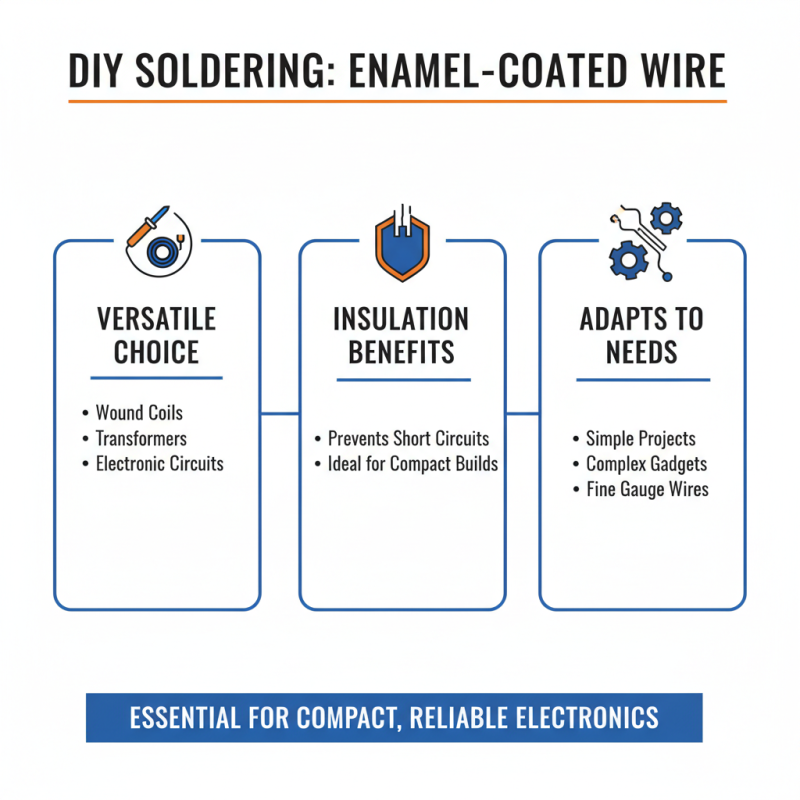
When embarking on DIY projects, soldering enamel coated wire emerges as a versatile choice. It is commonly used for wound coils, transformers, and various electronic circuits. This wire's insulation helps prevent short circuits, making it ideal for compact builds. Whether you're working on a simple project or a complex gadget, the fine gauge wires adapt well to different needs.
Consider the importance of wire length. Measure carefully to avoid excess. Too long can lead to tangles and shorts. Use clips to keep wires organized. When winding coils, even tension is crucial. Uneven coils can cause electrical issues later on. Practice winding techniques on scrap materials to perfect your skill.
Connecting enamel wires can be challenging. Removing the insulation requires finesse. Use fine sandpaper or a sharp tool. Be cautious to avoid damaging the wire within. Test connections before soldering them permanently. This guarantees reliability in your project. Remember, patience is vital. Each step affects the overall outcome. A small mistake can lead to significant failures.