How to Choose Copper Wire With Enameled Coating for Your Needs?
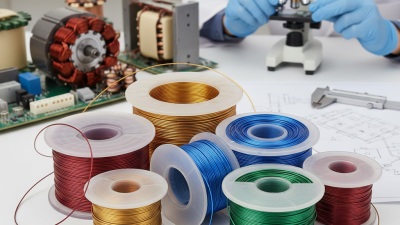
Choosing the right Copper Wire With Enameled Coating is crucial in various industries. Reports show that the demand for this type of wire has increased by 15% in the past three years due to its superior insulation and durability. According to industry expert Dr. Emily Hawthorne, “The right enameled coating can significantly enhance the performance and lifespan of copper wire applications.”
Enameled copper wire is essential for electrical components, motors, and transformers. Proper selection depends on several factors, including temperature resistance and chemical compatibility. The choices available in the market can be overwhelming. Each type has its specific benefits, and not all coatings are suitable for every application.
Understanding the characteristics of these wires is vital. Often, buyers overlook important specifications and wind up with products that do not meet their needs. A thorough assessment is necessary for optimal performance. Make sure to consider both immediate and long-term requirements in your decision-making process.
Understanding the Basics: What is Enameled Copper Wire?
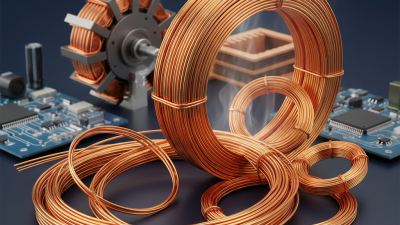
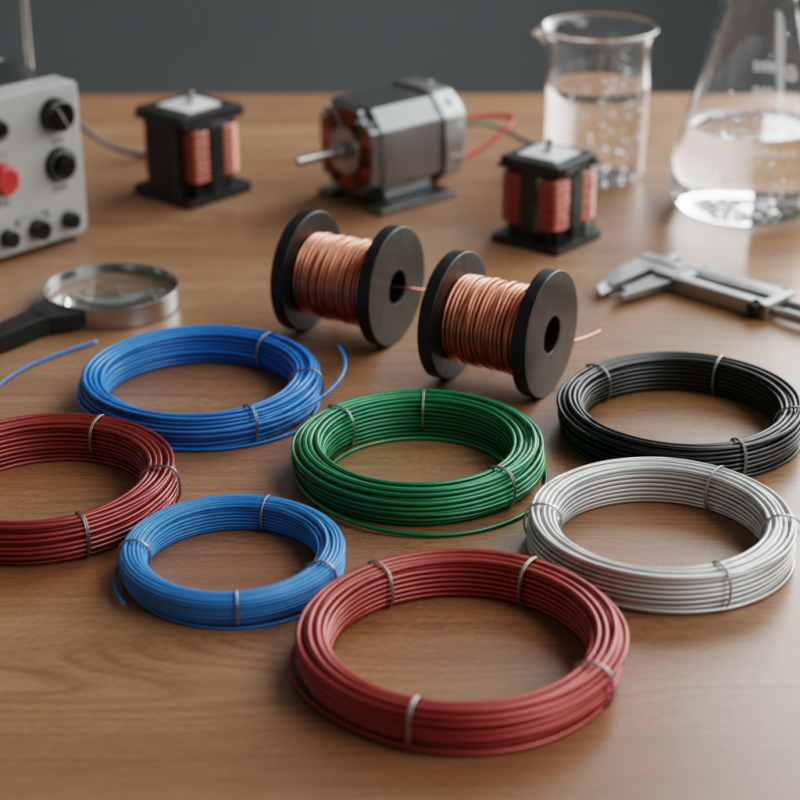
Enameled copper wire is a versatile material. It features a thin layer of insulation. This coating protects the wire from environmental factors. It also enhances electrical performance. Many industries use it for various applications, including motors and transformers. The enamel insulation provides excellent resistance against heat and fatigue.
Understanding the types of enameled wire is crucial. Different enamel coatings offer different properties. For example, some are better under high temperatures. Others might excel in chemical resistance. Choosing the right type depends on the specific needs of your project. It’s important to assess which properties matter most for your application.
This wire isn't perfect. The enamel can be prone to damage if mishandled. Overheating can also degrade the insulation. A careful approach to installation and use is essential. Research and testing can aid in your decision-making process. Remember, not all applications will require the highest-grade wire. Sometimes, a less robust option might suffice.
Key Properties: Electrical Conductivity and Thermal Resistance in Copper Wire
When choosing copper wire with an enameled coating, two essential properties stand out: electrical conductivity and thermal resistance. Electrical conductivity in copper is among the highest of all metals, boasting a conductivity rating of 59.6 x 10⁶ S/m. This characteristic ensures efficient transmission of electrical current, minimizing power losses. For specific applications like motors or transformers, high conductivity is crucial for optimal performance.
Thermal resistance is another key aspect that cannot be overlooked. Enameled copper wires typically have excellent heat tolerance, making them suitable for high-temperature settings. The enamel insulation can withstand heat up to 200°C in some formulations. Such resilience contributes to the longevity and safety of the wire in various environments, preventing degradation over time.
Tip: Always consider the specific requirements of your project. If the wire will operate in extreme temperatures, ensure the enamel type meets the necessary thermal resistance.
Carefully evaluate the required properties based on your setup. While high conductivity is vital, consider how thermal resistance impacts the wire's overall function. This balance can be tricky, demanding deeper knowledge. An engineer's insight or industry report can guide your selection process effectively.
How to Choose Copper Wire With Enameled Coating for Your Needs?
| Property |
Value |
Importance for Use |
| Electrical Conductivity |
58.5 x 10^6 S/m |
High conductivity ensures efficient energy transfer. |
| Thermal Resistance |
0.00168 °C·m²/W |
Low thermal resistance allows for effective heat dissipation. |
| Enameled Coating Thickness |
20-50 microns |
Protects wire from oxidation and short circuits. |
| Typical Operating Temperature |
-40°C to 180°C |
Wide range suitable for various applications. |
| Insulation Material |
Polyurethane |
Durable and offers excellent dielectric strength. |
Choosing the Right Gauge: Wire Size and Its Impact on Performance
Choosing the right gauge of enameled copper wire is crucial for any project. Wire size significantly affects performance. Thinner wires offer flexibility but can handle less current. Thicker wires, on the other hand, can support higher currents and are less prone to overheating. Understanding your specific needs helps in selecting the appropriate gauge.
Here are some tips to consider when choosing the wire gauge. Always check the wire's current capacity. For small electronic projects, 30 or 28 gauge may suffice. Larger applications may require 16 or 14 gauge. Always reflect on your project's requirements. It’s vital to balance the wire thickness with flexibility and current capacity to avoid overheating issues.
Also, think about the insulation type. Enameled coating provides excellent durability, but it has its limitations. Ensure the wire matches your working environment. Indoor projects may not need extensive insulation, while outdoor projects could require more robust options. Failing to consider these factors can lead to performance failures.
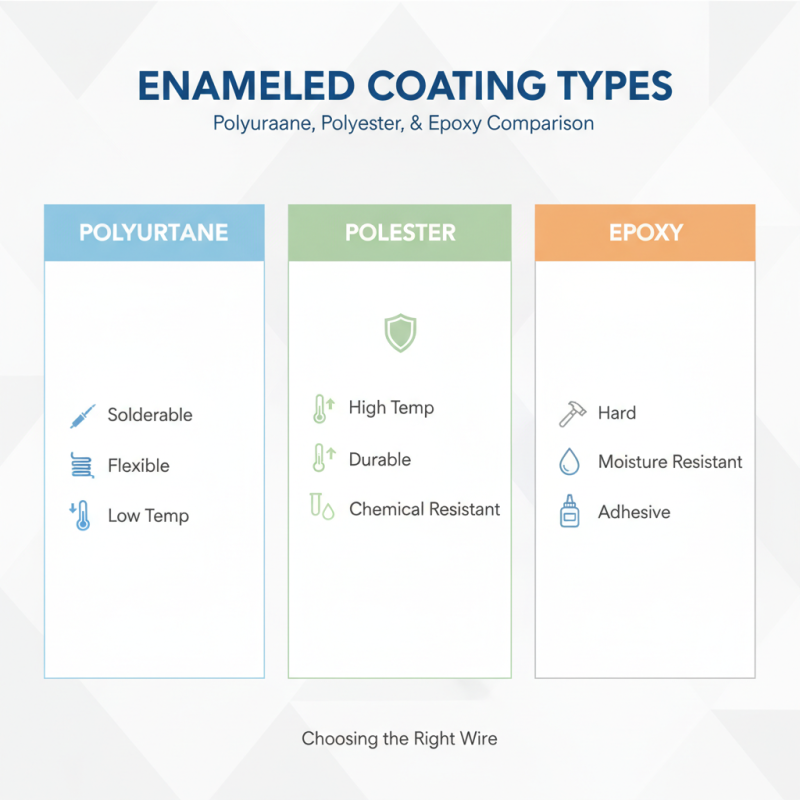
Enameled Coating Types: Comparing Polyurethane, Polyester, and Epoxy
When choosing enameled copper wire, understanding the type of coating is essential. Polyurethane, polyester, and epoxy each offer unique characteristics that affect their performance.
Polyurethane enamel provides excellent flexibility and resistance to abrasion. It's ideal for compact winding in small motors. However, it can be less resistant to chemicals. Polyester enamel, on the other hand, has good thermal properties and offers moderate flexibility. It is often preferred for standard applications. Yet, it might not hold up under extreme conditions. Epoxy enamel offers fantastic durability and superior insulation. It withstands high temperatures and harsh environments well. Still, its rigidity might limit application in tight spaces.
Tips for selecting the right wire: Consider the environment where the wire will be used. For outdoor applications, epoxy may be the best choice. Also, check the thermal ratings and flexibility needs for your project. Testing samples before full-scale use can help identify the best option.
Remember, each type has trade-offs. Balancing flexibility, durability, and thermal resistance is key. Assess your specific needs and conditions carefully before making a decision.
Applications of Enameled Copper Wire: Industries and Usage Scenarios
Enameled copper wire is widely used across various industries due to its excellent conductivity and durability. In the automotive sector, it serves as a core component in electric motors and transformers. Enameled wires efficiently manage heat and prevent short circuits, making them essential for modern vehicles. Additionally, these wires are crucial in winding inductors and coils, contributing to the efficiency of electronic devices.
In the HVAC industry, enameled copper wires are used in compressors and fans. Their ability to withstand extreme temperatures ensures reliable performance. In the telecommunications sector, they form the backbone of many networking devices. The insulation provided by the enamel prevents signal loss and ensures data integrity. This is vital for communication technology, where efficiency directly impacts performance.
While enameled copper wire is invaluable, it’s essential to choose wisely. Not every application demands the same specifications. Sometimes, a wire may not perform as expected. Testing different types under actual conditions can reveal surprising results. It’s important to stay informed about advancements in materials and technologies. This awareness can enhance decision-making for specific applications.
Applications of Enameled Copper Wire in Various Industries