Leave Your Message

How to Choose Enameled Magnet Wire for Global Sourcing?

Choosing Enameled Magnet Wire for global sourcing requires more than comparing prices, diameters, and delivery dates. The correct wire must match the motor, transformer, generator, or coil design. It must also survive real manufacturing conditions.

Dr. Elena Marquez, a magnet-wire engineering consultant, explains, “The cheapest wire becomes expensive when its insulation fails inside a finished winding.” Her observation reflects a common sourcing mistake. Buyers often review copper purity but overlook thermal class, insulation thickness, flexibility, bondability, and corona resistance. Those details matter near sharp slot edges, crowded windings, and repeated thermal cycling. Ask suppliers for technical data sheets, certification records, batch traceability, and test samples. Confirm whether the Enameled Magnet Wire complies with relevant IEC, NEMA, or customer-specific requirements. Do not rely on a brochure alone.

Supplier experience also deserves close attention. Can the factory maintain consistent enamel coverage? Can it control conductor diameter within tolerance? Can it provide stable production across several shipments? A laboratory sample may look excellent. Production consistency may tell another story. Request sample coils, inspect the surface, and test stripping, elongation, adhesion, and dielectric strength when appropriate. Document every result.

A perfect checklist does not exist. Some decisions remain uncertain. Global logistics, copper prices, and regional approvals can change quickly. A careful sourcing process reduces surprises, but it cannot remove every risk. The strongest choice combines verified performance, transparent communication, and practical factory evidence. That is the real foundation for selecting Enameled Magnet Wire with confidence.
How to Choose Enameled Magnet Wire for Global Sourcing?

Define Enameled Magnet Wire and Its Global Sourcing Requirements

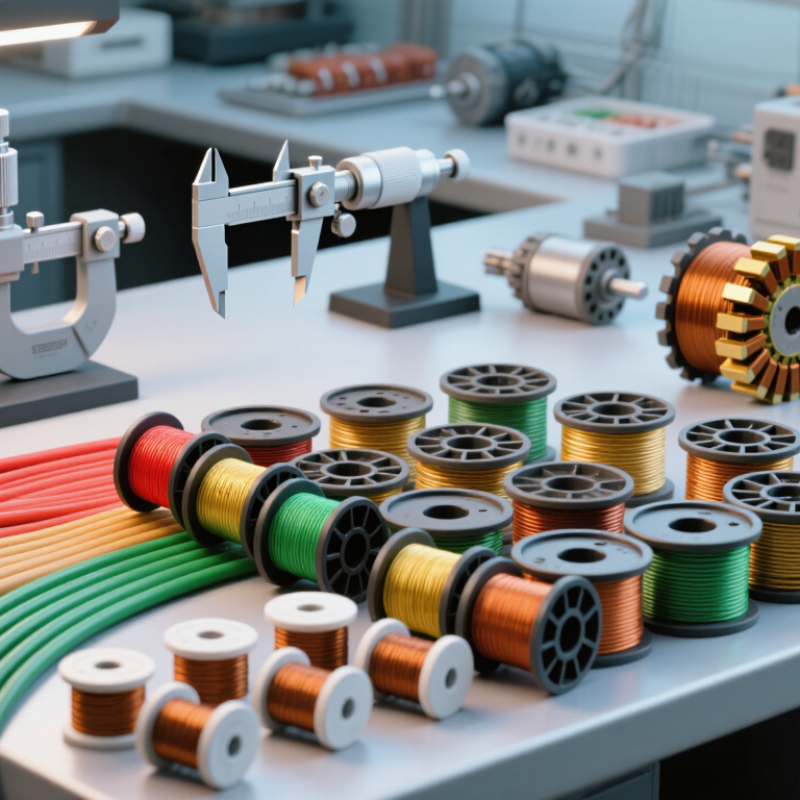
Enameled magnet wire is a copper or aluminum conductor covered with a thin, heat-resistant enamel film. It carries current inside motors, transformers, generators, relays, and inductors. The enamel provides electrical insulation without adding much thickness. This compact design supports tighter winding spaces and improved energy efficiency.

Global demand is becoming more specification-driven. The International Energy Agency reported nearly 14 million electric car sales in 2023 in its Global EV Outlook 2024. This growth increases demand for reliable winding materials in traction motors and charging equipment. Buyers should define conductor material, wire diameter, insulation class, thermal rating, breakdown voltage, and solderability. IEC 60317 provides internationally recognized requirements for many enameled wire types. Regional requirements may still differ.

A sourcing document should also require batch traceability, test certificates, packaging controls, and humidity protection. Customs classification and local electrical rules need early review. Small diameter deviations can change winding resistance and heat generation. A perfect-looking sample can still hide weak adhesion or inconsistent insulation. That is easy to miss. Therefore, buyers should approve samples through repeated winding, thermal aging, and dielectric testing, not appearance alone. Supplier audits, calibrated test equipment, and retained samples improve reliability. Yet specifications should be reviewed after production trials; an over-detailed document may restrict suitable supply without improving performance.
Identify Required Wire Materials, Insulation Types, and Performance Ratings

How to Choose Enameled Magnet Wire for Global Sourcing?

Selecting enameled magnet wire begins with the conductor material. Copper offers high conductivity and stable winding performance. Aluminum reduces weight and material cost, but it needs larger cross-sections. Check conductor purity, diameter tolerance, elongation, and resistance values. These details affect motor efficiency, coil temperature, and automated winding accuracy. A smooth surface matters. Small scratches can become insulation failures after repeated bending.

Insulation selection should match the application, not only the quoted temperature rating. Polyurethane supports solderability, while polyester and polyimide systems may provide stronger thermal endurance. Compare temperature class, voltage resistance, abrasion performance, chemical resistance, and thermal-aging results. Ask for test methods, not just headline numbers. A wire rated for high heat may still perform poorly under vibration or sharp winding tension. Confirm the required insulation build, pinhole limits, and breakdown voltage for each size. Request production samples from the actual supply lot, then inspect winding behavior and resistance consistency. A clean datasheet helps. It is not proof. Global sourcing also requires traceable batches, clear packaging labels, and stable specifications across shipments. Some decisions remain imperfect because factory conditions differ from laboratory tests. Build a small qualification margin, and review failures honestly before approving larger volumes.

Match Wire Specifications to Electrical, Thermal, and Mechanical Applications

How to Choose Enameled Magnet Wire for Global Sourcing?

Match Wire Specifications to Electrical, Thermal, and Mechanical Applications

Choosing enameled magnet wire starts with the winding’s real operating conditions, not price alone. Specify conductor material, diameter, resistance, insulation type, and temperature class. Copper suits low-resistance windings, while aluminum can reduce weight when the design allows larger conductors. Check the resistance at the actual working temperature. Room-temperature figures can mislead.

Thermal performance deserves close attention. Measure the winding’s expected temperature, nearby heat sources, and cooling efficiency. Select insulation with suitable thermal endurance and dielectric strength. For compact motors, request thermal-aging data and breakdown-voltage results. A higher temperature rating cannot fix poor heat removal. It is easy to overlook this point.

Mechanical stress also changes the choice. Tight bends, repeated vibration, and slot insertion can damage weak enamel. Ask for abrasion resistance, flexibility, elongation, and bondability data. Test production samples with the intended winding tension and tooling. I have seen a wire pass electrical checks but fail during sharp bending. That result changed our inspection plan.

For global sourcing, align drawings, tolerances, packaging, and inspection methods before ordering. Require batch traceability, test certificates, and clearly defined acceptance limits. Compare samples from different production lots, not one convenient spool. Small diameter variations may affect fill factor and coil temperature. Do not assume identical labels mean identical performance. Local storage conditions matter too, especially humidity and prolonged heat. When specifications conflict, document the engineering decision and obtain a sample approval before volume production.

How to Choose Enameled Magnet Wire for Global Sourcing? - Match Wire Specifications to Electrical, Thermal, and Mechanical Applications

Application Recommended Conductor Typical Wire Size Range Insulation System Thermal Class Electrical Priorities Mechanical Priorities Sourcing and Inspection Checks
Small transformers and adapters Electrical-grade copper; aluminum may be considered where weight and cost are primary factors. Approximately 0.10–1.00 mm conductor diameter, selected according to current and winding space. Polyurethane or polyester-based enamel; add a compatible overcoat when higher abrasion resistance is required. 130–180 class, based on the transformer hot-spot temperature and insulation design. Low resistance, consistent insulation thickness, dielectric strength, and acceptable partial-discharge performance where applicable. Smooth winding, controlled elongation, and resistance to scraping during coil insertion. Confirm conductor diameter, resistance per unit length, thermal class, dielectric breakdown, pinholes, and winding pay-off consistency.
Industrial motors and generators Copper is commonly selected for high conductivity and compact slot utilization; aluminum is suitable for selected designs. Approximately 0.30–3.00 mm conductor diameter or rectangular conductor, depending on power rating. Polyester-imide, polyamide-imide, or equivalent dual-coat systems for thermal and abrasion performance. 155, 180, or 200 class for continuous-duty designs, subject to the complete insulation system. Stable resistance, corona resistance for inverter-fed motors, dielectric integrity, and compatibility with impregnation varnish. High abrasion resistance, flexibility during forming, resistance to slot-edge damage, and dimensional stability. Request thermal-aging evidence, inverter-duty or corona data when needed, elongation, adhesion, flexibility, and varnish compatibility results.
High-frequency inductors and transformers Fine copper wire; litz wire may be selected to reduce AC losses at suitable frequency ranges. Fine magnet wire commonly below 0.20 mm, with the exact size determined by frequency, current, and winding window. Thin, uniform enamel with low capacitance impact; solderable insulation may simplify termination. 130–180 class, depending on operating temperature and converter enclosure conditions. Low AC resistance, controlled parasitic capacitance, reliable dielectric strength, and stable high-frequency performance. Resistance to breakage, controlled tension, smooth surface, and reliable handling of fine wire. Verify frequency-specific loss data, insulation continuity, spool build, tension control, solderability or stripability, and packaging against moisture.
Automotive and traction motors High-conductivity copper, including rectangular conductor where high slot fill and compact packaging are required. Approximately 0.50–2.50 mm round diameter or equivalent rectangular cross-section. High-temperature dual-coat enamel with strong resistance to coolant, oil, vibration, and inverter-generated electrical stress. 180–220 class, selected according to the motor thermal design and vehicle duty cycle. High impulse endurance, partial-discharge resistance where required, low resistance, and stable insulation under rapid voltage rise. High scrape resistance, edge integrity, formability, vibration resistance, and compatibility with automated winding. Evaluate thermal aging, refrigerant or coolant exposure where applicable, impulse endurance, abrasion, adhesion, and lot traceability.
Hermetic compressors and refrigeration equipment Copper conductor with an insulation system qualified for the specified refrigerant, oil, and temperature environment. Approximately 0.30–2.00 mm, depending on compressor power and winding configuration. Chemically resistant enamel, often with a high-temperature overcoat and application-specific compatibility testing. 155–200 class, subject to refrigerant, lubricant, pressure, and hot-spot requirements. Insulation resistance, dielectric strength, resistance stability, and long-term chemical compatibility. Resistance to winding insertion forces, vibration, thermal cycling, and abrasion at contact points. Test the complete wire system with the intended refrigerant and oil; confirm pinhole level, adhesion, flexibility, and thermal-aging documentation.
Relays, solenoids, and control coils Fine or medium copper wire selected for the required coil resistance and continuous or intermittent duty. Approximately 0.05–0.80 mm, based on voltage, current, resistance, and available coil volume. Solderable polyurethane or other termination-friendly enamel; overcoat selection depends on temperature and abrasion needs. 105–180 class, depending on coil temperature and enclosure conditions. Accurate resistance, uniform insulation, reliable turn-to-turn dielectric strength, and consistent termination. Good winding tension, low breakage rate, dimensional consistency, and reliable solderability or stripability. Check resistance tolerance, soldering temperature and time, insulation continuity, spool labeling, and batch-to-batch diameter control.
Aerospace, medical, and other high-reliability equipment High-purity copper or application-approved conductor with documented material traceability. Project-specific; commonly fine to medium sizes selected through thermal, electrical, and mechanical qualification. High-reliability enamel system qualified for the equipment environment, including low-outgassing or chemical requirements where applicable. 155–220 class, determined by the approved design and validated operating profile. High dielectric reliability, low defect rate, stable resistance, traceable raw materials, and controlled process capability. Excellent adhesion, flexibility, abrasion resistance, dimensional control, and repeatable winding behavior. Require a controlled specification, certificate of conformity, lot traceability, change notification, inspection records, and agreed sampling plan.
Global sourcing checklist: Specify conductor material and diameter, insulation build, thermal class, electrical grade, applicable test standard, spool dimensions, net weight, packaging requirements, labeling language, certificate requirements, permissible tolerances, inspection method, and change-control expectations before approving a supplier.

Evaluate International Suppliers, Certifications, Quality Systems, and Lead Times

How to Choose Enameled Magnet Wire for Global Sourcing?

Selecting an international supplier requires more than comparing copper prices. Review production experience, export records, and technical support. Ask for current certifications, including ISO 9001 and applicable IEC or UL documentation. Check each certificate’s scope, factory address, and expiration date. A certificate alone can mislead. Verify it independently when possible.

Request samples from the same production line used for bulk orders. Test conductor diameter, enamel thickness, breakdown voltage, thermal class, elongation, and solderability. Examine the spool edges for dents or uneven winding. Require lot numbers, inspection reports, and material traceability. During supplier audits, observe calibration records and nonconforming-product controls. Small gaps often matter later. Do not guess.

Lead time needs similar scrutiny. Ask how suppliers manage copper inventory, enamel materials, tooling, and peak-season capacity. Separate production time from export clearance and ocean or air transport. Build a realistic buffer for urgent engineering changes. A supplier promising seven days may exclude testing or documentation. That creates avoidable pressure. I would also compare delivered samples after storage, not only fresh samples. Humidity, temperature changes, and longer transit can expose weaknesses. Recheck the process quarterly, because a reliable factory can still change equipment, operators, or subcontractors.

Compare Total Costs, Logistics Risks, Compliance Needs, and Supply Continuity

When sourcing enameled magnet wire globally, compare landed cost, not quotation price. I review copper or aluminum grade, insulation build, spool size, yield loss, testing, freight, duty, and payment terms. A low unit price can disappear after oversized cartons, moisture protection, or rejected coils. Ask suppliers for recent production data, including diameter tolerance, pinhole results, elongation, and bond strength. Keep the evidence traceable.

Logistics risk deserves a separate calculation. Map every transfer from mill to plant, including port congestion, temperature exposure, transshipment, and customs delays. For fine wire, damaged flanges or loose winding can create expensive stoppages. I prefer approved packaging drawings, shipment photos, and a small pre-shipment inspection. This is not foolproof. Build a second source before a crisis, but do not assume two factories share independent capacity. They may depend on one copper mill or the same shipping lane.

Compliance checks should match the finished motor, transformer, or coil application. Request material declarations, safety data, test reports, and lot-level certificates. Confirm insulation class, thermal rating, chemical restrictions, and documentation required by the destination market. Standards such as IEC 60317 may guide technical specifications, but local product rules still need review. Maintain retained samples and a change-notification clause. I have seen sourcing plans fail because a resin change was treated as harmless. That assumption needs challenging. Record each assumption, especially the ones nobody has tested.