What is Copper Wire With Enameled Coating and Its Applications?
Copper Wire With Enameled Coating plays a crucial role in various electrical applications. This specialized wire is coated with a layer of enamel, providing insulation and protection. According to a recent report by MarketsandMarkets, the global market for enameled copper wire is projected to reach USD 5 billion by 2026, growing at a CAGR of 4.5%.
Experts like Dr. Emily Chen, a leading researcher in the field, emphasize the importance of this technology. She states, “Enameled copper wire enhances efficiency and reduces power losses in electrical systems.” This is vital as industries move towards more sustainable and efficient energy solutions.
Despite its advantages, there are challenges to consider. The manufacturing process can produce waste and require significant energy. It's essential for companies to focus on sustainable practices while producing Copper Wire With Enameled Coating. The balance between efficiency and environmental impact warrants ongoing reflection and improvement.
What is Copper Wire with Enameled Coating?
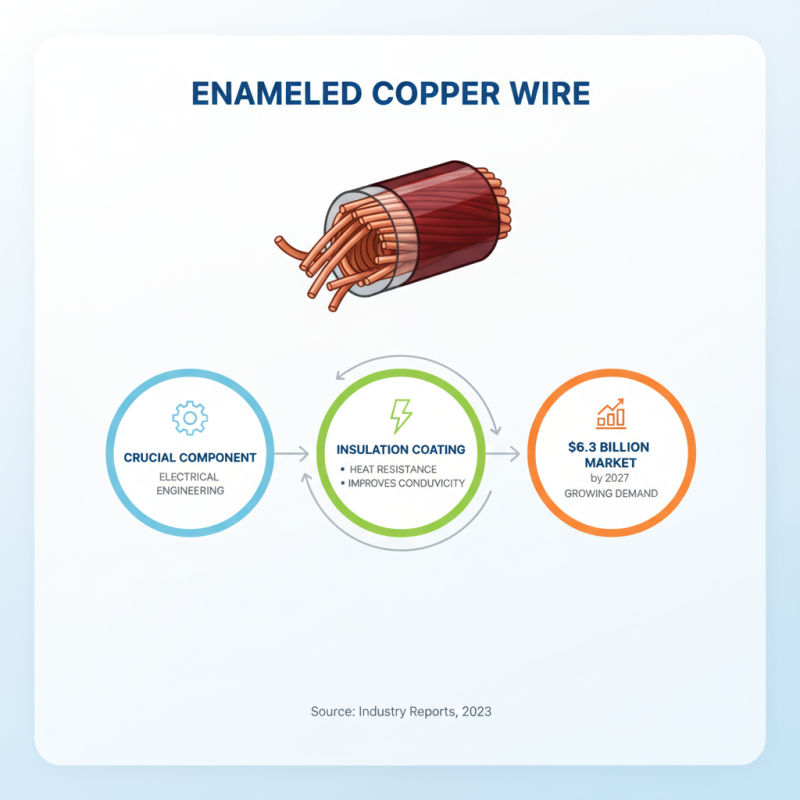
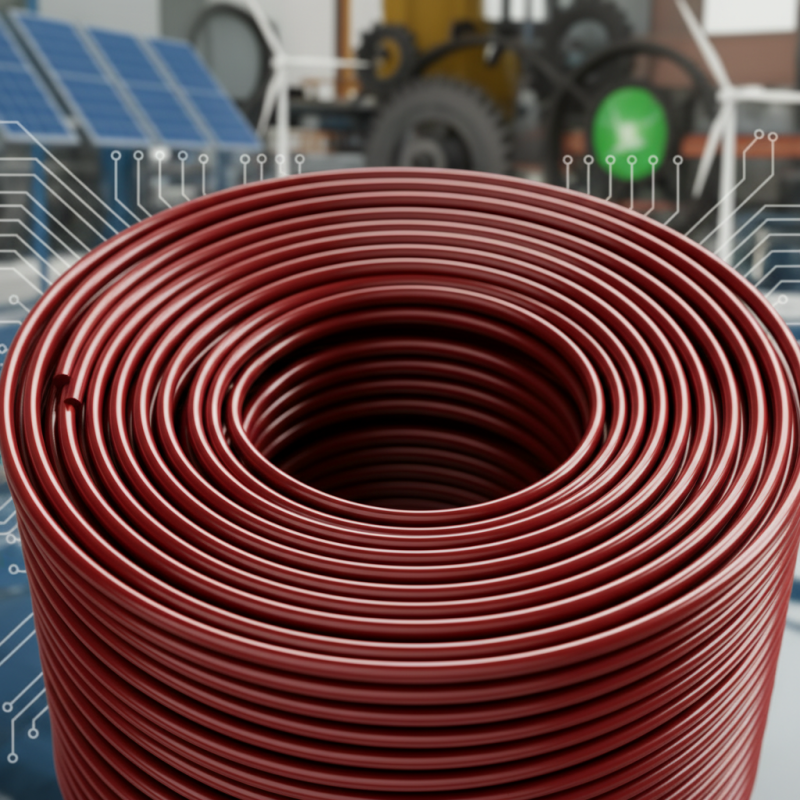
Enameled copper wire is a crucial component in electrical engineering. This wire consists of copper strands coated with a thin layer of insulation, typically enamel. The coating provides resistance to heat and improves electrical conductivity. According to industry reports, the global market for enameled copper wire is expected to reach $6.3 billion by 2027. This indicates a growing demand for high-performance materials.
The applications of enameled copper wire are diverse. It is widely used in transformers, motors, and generators. The insulation allows for efficient performance in tight spaces. However, challenges remain. The thickness of the enamel can vary, affecting the wire's durability. This inconsistency can lead to reduced efficiency in certain applications. In a recent study, around 15% of manufacturers reported issues with enamel adhesion. Such problems can result in significant operational failures if not addressed.
Moreover, manufacturers face competition from alternative materials. Aluminum wire, for example, offers a lower cost but at the expense of conductivity. The balance between cost and performance is an ongoing discussion in the industry. As technology advances, the need for innovative solutions remains essential. There's a constant quest for improving the properties of enameled copper wire to meet evolving demands.
Properties of Enameled Coated Copper Wire
Enameled coated copper wire is essential in electrical applications. Its insulating layer of enamel provides significant protection. This coating enhances durability and prevents short circuits. The wire remains flexible, allowing for easy installation in various projects.
One notable property of this wire is its high conductivity. Copper’s natural conductivity ensures efficient energy flow. The enamel coating can withstand high temperatures, making it suitable for demanding environments. This combination enables the wire to serve multiple purposes, from motors to transformers.
Despite its advantages, challenges exist. Overheating can compromise the enamel layer. If damaged, the wire may fail, resulting in costly repairs. Regular inspection is crucial to ensure long-lasting performance. Balancing benefits and potential drawbacks is essential for optimal usage.
Manufacturing Process of Enameled Copper Wire
The manufacturing process of enameled copper wire is intricate yet fascinating. It begins with the selection of high-purity copper. This is essential, as impurities can affect conductivity. The wire is drawn into thin strands through a process that requires precision. The diameter may vary depending on the application.
Once the copper wire has been shaped, an insulating layer is applied. This is where the enameled coating comes into play. It involves multiple layers of varnish, which are baked to create a strong bond. This method helps protect the wire from corrosion and electrical shorts. However, achieving the perfect thickness can be challenging. Uneven coating may lead to performance issues later on.
After coating, the wire undergoes testing. Insulation integrity is checked to ensure that it meets required standards. Despite technology advancements, human error can occur. A slight oversight during the process may lead to defects. Continuous monitoring is essential for quality assurance. The applications of this wire are vast, from motors to transformers, showcasing its importance in electrical engineering.
Common Applications of Enameled Copper Wire
Enameled copper wire is widely used in various industries due to its unique properties. This type of wire has a thin layer of insulation, which allows it to conduct electricity efficiently. Common applications include electric motors, transformers, and inductors. The global enameled wire market was valued at approximately $22.3 billion in 2020, reflecting its substantial role in electrical devices.
Electric motors stand out as significant users of enameled copper wire. The wire’s insulation protects it from damage during operation. Reports indicate that the electric motor segment is expected to grow at a CAGR of about 6.5% from 2021 to 2028. Additionally, the wire is crucial in industries like automotive and renewable energy, where efficiency is key.
Tips: Always check the insulation rating when selecting enameled copper wire. Different applications require specific ratings to ensure safety and performance. Consider the wire gauge based on the current requirements. Choosing the right specifications is essential to avoid performance issues.
In some cases, the resistance from the insulation leads to energy loss. Manufacturers are continuously refining their processes to minimize this drawback. Users should reflect on their current choices and consider upgrading to newer technologies. Keeping up with advancements can provide better reliability and efficiency in applications.
What is Copper Wire With Enameled Coating and Its Applications? - Common Applications of Enameled Copper Wire
| Application |
Description |
Benefits |
| Electrical Motors |
Used in windings for various types of motors. |
High efficiency and excellent heat resistance. |
| Transformers |
Winding material for transformers. |
Durable and reliable performance. |
| Inductors |
Used to create inductors in electronic circuits. |
Compact design and efficient electromagnetic characteristics. |
| Audio Equipment |
Wires in speakers and microphones. |
Enhanced sound quality and reduced interference. |
| Home Appliances |
Used in wiring for refrigerators, microwaves, etc. |
Reliable operation under various conditions. |
Advantages and Limitations of Using Enameled Copper Wire
Enameled copper wire is widely used in electrical applications due to its unique properties. One significant advantage is its excellent conductivity. Enameled copper provides around 60% higher conductivity than aluminum wires. This high efficiency makes it suitable for motors, transformers, and inductors. The insulation provided by the enamel coating also prevents short circuits, offering additional safety in various applications.
However, there are limitations to consider. The enamel can be sensitive to mechanical stress and chemicals. If damaged, the wire may expose the copper, leading to potential failures. According to industry reports, such failures can cost companies up to $5,000 per incident in downtime and repairs. Additionally, the production process of enameled wire is complex and requires specialized equipment. This complexity can increase costs and make it less accessible for small-scale projects.
The thermal resistance of enameled wire is another aspect to evaluate. While it can withstand high temperatures, prolonged exposure might degrade the insulation over time. For instance, studies indicate that excessive heat reduces the lifespan of enameled wire by nearly 20%. These factors highlight the importance of weighing the benefits against potential risks when choosing enameled copper wire for specific applications.