What is Paper Coated Electrical Wire and Its Applications?
In the electrical industry, Paper Coated Electrical Wire is gaining attention. This innovative wire type combines functionality with reliability. Renowned expert Dr. James Monroe emphasizes its significance, stating, “Paper coating enhances insulation properties and increases durability.” The use of paper-coated wires is not just about performance; it also reflects a shift towards sustainable materials in manufacturing.
Applications of Paper Coated Electrical Wire are diverse. They are widely used in transformers, motors, and other electrical devices. The unique properties of these wires allow them to withstand high temperatures and harsh conditions. However, challenges remain. Manufacturers must ensure consistent quality and performance across different applications. The balance between cost and reliability is another consideration.
As industries evolve, the demand for efficient and eco-friendly electrical solutions grows. Understanding the nuances of Paper Coated Electrical Wire can lead to better decision-making in production. This wire type may not be perfect for all scenarios, but its advantages are clear in specific applications. The journey to optimize and innovate continues, highlighting the need for ongoing research and quality control in this field.
What is Paper Coated Electrical Wire?
Paper coated electrical wire is a specialized type of wiring that features a paper insulation layer. This unique coating provides several benefits. The paper acts as both a dielectric barrier and a protective layer. This makes the wire suitable for various applications, particularly in environments where temperature control and dielectric properties are crucial.
The use of paper coated electrical wire is common in transformers, capacitors, and other high-voltage equipment. Its insulating properties help manage heat and prevent electrical interference. However, it is essential to consider the paper's susceptibility to moisture. This vulnerability raises concerns about longevity and reliability. Proper management and storage can mitigate such risks, but care is needed.
In some cases, users might overlook the need for regular inspections. Without these checks, deterioration can lead to failures. Additionally, while the paper coating provides a natural aesthetic, it may not always align with modern design preferences. Balancing technical requirements with visual appeal is a challenge that engineers often face.
The Manufacturing Process of Paper Coated Electrical Wire
The manufacturing process of paper coated electrical wire involves several key steps. It starts with selecting high-quality wire. The wire is then prepped and cleaned to ensure proper adhesion. Next, a special paper coating is applied. This coating provides insulation and enhances the wire's performance.
During coating, it's crucial to achieve a uniform layer. Imperfections can lead to reduced efficiency or failures in electrical systems. After the coating is applied, the wire undergoes drying. This drying process is pivotal for the durability of the insulation. It also helps in maintaining the wire's flexibility.
Tip: Make sure to monitor the temperature and humidity during drying. These factors influence how well the coating adheres.
Once dried, the wire is cut into lengths. Each piece is inspected for quality. This inspection ensures that any defects are caught early. It is essential for maintaining high standards in production.
Tip: Keep an eye on your quality control metrics. Regular checks can prevent costly errors down the line.
Finally, the coated wires are packaged for distribution. Proper packaging protects the wire during transport and storage. Understanding the detailed manufacturing process provides valuable insights into the reliability of paper coated electrical wire.
What is Paper Coated Electrical Wire and Its Applications? - The Manufacturing Process of Paper Coated Electrical Wire
| Aspect |
Details |
| Material Used |
Paper Insulation, Copper Wire |
| Applications |
Transformers, Motors, Generators |
| Advantages |
High Insulation Resistance, Eco-friendly, Cost-effective |
| Manufacturing Process Steps |
Wire Drawing, Paper Coating, Drying, Winding |
| Common Standards |
UL, IEC, ASTM |
Properties and Characteristics of Paper Coated Electrical Wire
Paper coated electrical wire is an interesting product in electrical engineering. It consists of a conductive core wrapped in a layer of paper insulation. This paper coating provides unique electrical and thermal properties that are beneficial in various applications. One major characteristic is its excellent dielectric strength. This means it can resist electrical breakdown, making it suitable for high-voltage environments.
Another significant property is its thermal stability. Paper coated wires can handle higher temperatures without degrading. This allows them to be used in demanding situations, such as motors and transformers. Furthermore, the paper coating can be treated with specific chemicals to enhance its moisture resistance. This helps prevent electrical failures in humid conditions. However, there's a downside. The paper material might not be as durable as synthetic options. Over time, it may wear down, especially in harsh environments. Thus, regular inspections are crucial.
In applications ranging from aerospace to industrial machinery, the right choice of wire is vital. Paper coated wires may be ideal for some, but they require careful consideration for others. Their unique properties can offer benefits, but users must be aware of their limitations. It’s essential to balance the material’s advantages with the potential risks in your specific context.
Applications and Properties of Paper Coated Electrical Wire
Common Applications of Paper Coated Electrical Wire
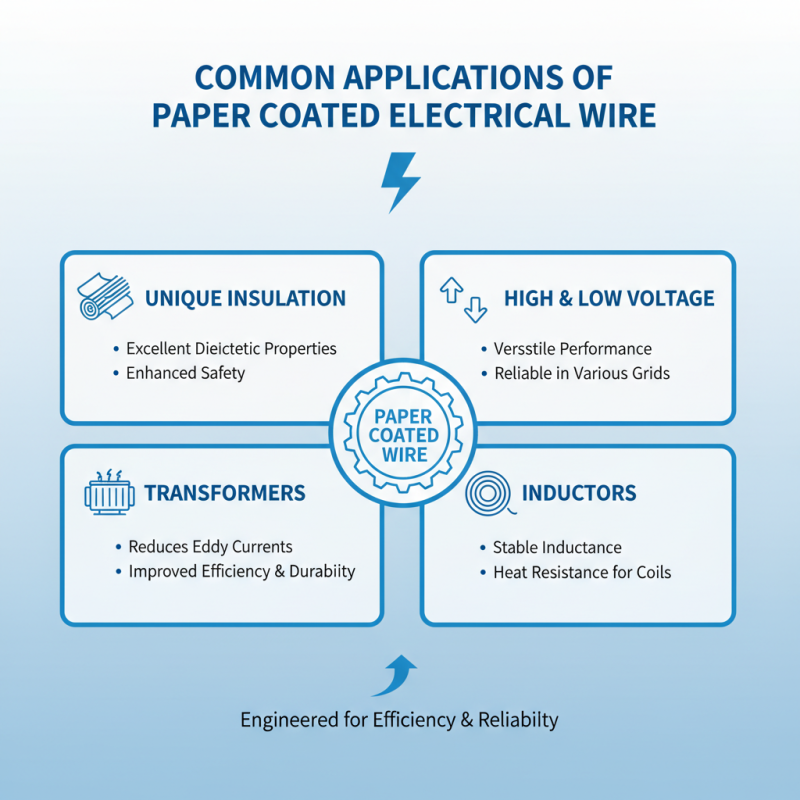
Paper coated electrical wire is a unique product, often utilized in various sectors. Its applications are widely recognized for their effectiveness and efficiency. Electrical engineers find these wires beneficial in both high and low voltage scenarios. The paper coating provides excellent insulation properties, making them suitable for use in transformers and inductors.
In the aerospace industry, paper coated wire plays a crucial role. It can withstand extreme conditions, which is vital for aircraft performance. Electrical systems in aircraft need reliable components, and these wires deliver that reliability. Furthermore, they are used in musical instruments, providing excellent sound quality. The unique properties of the paper coating help reduce unwanted noise.
Though paper coated wires are versatile, challenges exist. The durability of paper can raise concerns in harsh environments. In some cases, users might find it necessary to apply further protection. This reflects the ongoing need for innovation and improvement in material science. Overall, while paper coated electrical wire has many applications, continuous evaluation is essential to maximize its potential.
Advantages and Disadvantages of Using Paper Coated Electrical Wire
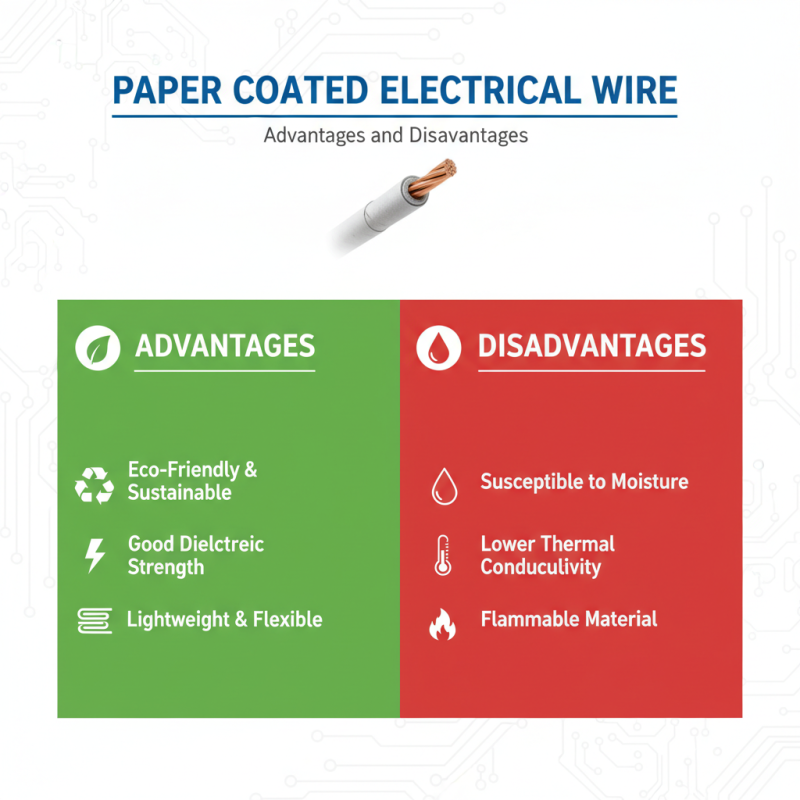
Paper coated electrical wire is increasingly being used in various applications due to its unique properties. However, it comes with specific advantages and disadvantages that users must consider.
One key advantage is its excellent insulation properties. The paper coating provides a significant barrier to moisture, which can lead to better performance in humid environments. According to recent industry reports, the dielectric strength of paper-insulated wire can reach up to 40 kV/mm, making it suitable for high-voltage applications. Additionally, it is lightweight and easy to handle, which can streamline installation processes.
On the downside, paper coated wire is susceptible to damage from chemicals and abrasion. This vulnerability means that, in harsh environments, the wire may deteriorate more rapidly than synthetic alternatives. A study published in the Electrical Insulation Journal points out that the lifespan of paper insulated wires can be 30-50% shorter compared to plastic alternatives. Users should weigh these factors when choosing wire types, as the initial savings on paper coated wire might lead to higher long-term maintenance costs.