Top 10 Varnished Wire Applications You Should Know?
Varnished wire is essential in various industries, transforming how we approach electrical applications. According to Dr. Emily Grant, a leading expert in wire technology, "Varnished wire is the backbone of efficient electrical systems." This material consists of copper or aluminum wire coated with insulating varnish, crucial for preventing short circuits.
Its applications range from motors to transformers. The varnish not only provides insulation but also enhances durability. However, challenges remain. For instance, ensuring consistent quality during production can be difficult. Variations in thickness may affect performance. While many industries rely on varnished wire, it requires ongoing innovation.
The demand for varnished wire is growing. Industries need reliable materials for more efficient devices. As Dr. Grant points out, “Without it, our electrical systems would struggle." Exploring the top applications of varnished wire reveals its significant role. Understanding these uses can help us appreciate its impact on modern technology.
Understanding Varnished Wire and Its Importance in Various Industries
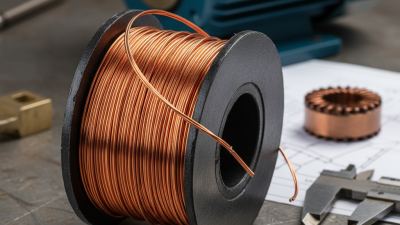
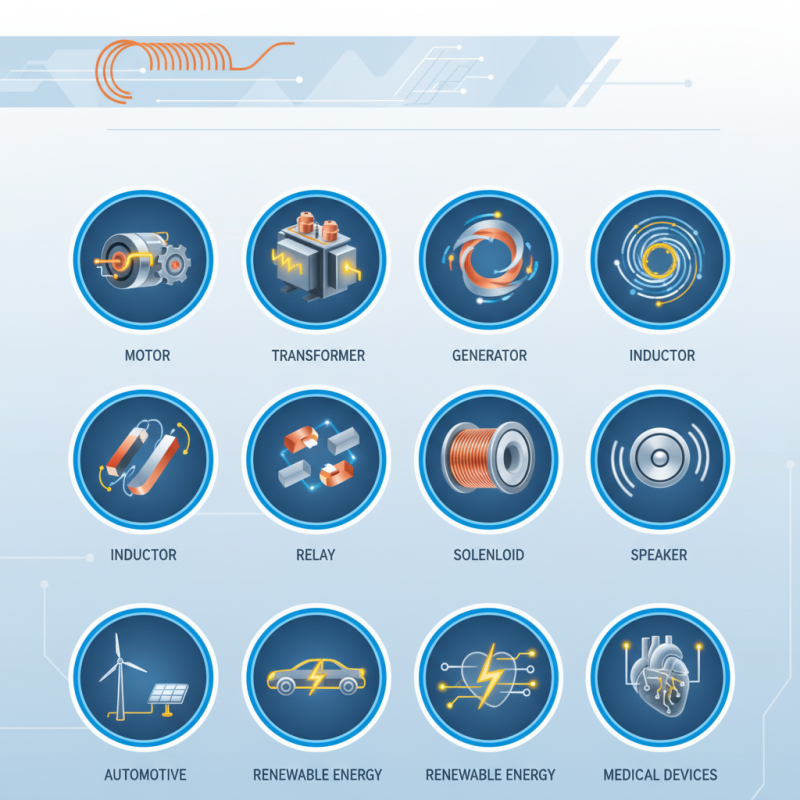
Varnished wire is a critical component across many sectors. It consists of wire coated with an insulating layer of varnish. This coating enhances durability and electrical performance. Its applications range from motors to transformers. The varnish helps prevent short circuits and enhances insulation against moisture.
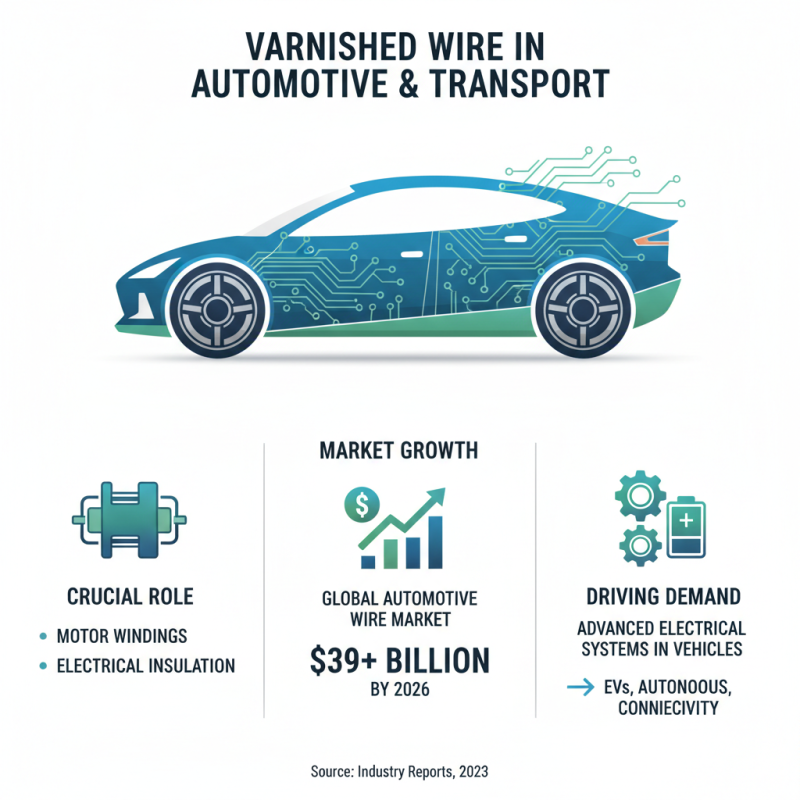
In the automotive industry, varnished wire plays a vital role. It reduces the risk of electrical failures in vehicles. Home appliances also utilize this material to improve safety. The insulation protects against wear and tear. However, some manufacturers still struggle with quality control. This inconsistency can lead to failures. It’s essential for industries to prioritize sourcing high-quality varnished wire.
The importance of varnished wire in electronics cannot be understated. It ensures efficient power transmission and reduces energy loss. However, not all varnished wires are created equal. Some may not withstand extreme temperatures. Industries must critically evaluate their needs. It's crucial to weigh the benefits of using high-grade materials against costs.
Top 10 Varnished Wire Applications
This chart showcases the top 10 applications of varnished wire and their popularity ratings across various industries. Applications such as Electric Motors and Renewable Energy show the highest importance, underscoring the multifaceted role varnished wire plays in modern technology and manufacturing.
Key Characteristics of Varnished Wire: Insulation and Conductivity
Varnished wire is essential in various applications. Its key characteristics—insulation and conductivity—make it suitable in many industries. The varnish provides a protective layer, ensuring durability and safe operation. This layer enhances the wire’s resistance to moisture and chemicals.
One crucial aspect is the insulation. It prevents electrical leakage, crucial for safety. Without proper insulation, wires can short circuit and cause failures. This is a common challenge that needs addressing. Ensure the insulation is intact before installation. Regular checks can help maintain performance.
Conductivity is also vital. Varnished wire offers excellent conductivity, allowing efficient energy transfer. However, some applications may fall short if not chosen carefully. Consider the current load requirements. Matching the wire to the application can prevent overheating and other issues.
Tips: Always inspect the varnish for damage. A small crack can lead to significant problems. Choose the right gauge for your project. Using an incorrect size may compromise your circuit's efficiency.
Top 10 Varnished Wire Applications You Should Know
| Application |
Key Characteristics |
Insulation Type |
Conductivity |
Typical Use Cases |
| Electric Motors |
High heat resistance |
Polyimide |
Excellent
electrical conductivity |
Power tools, HVAC systems |
| Transformers |
Good mechanical strength |
Enamel |
High conductivity |
Energy distribution |
| Inductors |
Low thermal expansion |
Polyester |
Very good |
Filtering, energy storage |
| Generators |
Robust insulation |
Polyamide |
Excellent |
Residential, industrial power |
| Coils |
Thermally stable |
Polyurethane |
Good |
Signal processing |
| Aerospace |
Lightweight, durable |
Fluoropolymer |
Exceptional |
Communication systems |
| Home Appliances |
Versatile usage |
Polymeric |
Good |
Washing machines, refrigerators |
| Telecommunications |
High frequency stability |
Enameled |
Very good |
Signal transmission |
| Automotive |
Heat and oil resistant |
Epoxy |
Excellent |
Electrical systems |
| Renewable Energy |
Environmental durability |
Silicone |
High conductivity |
Solar panels, wind turbines |
Top Applications of Varnished Wire in Electrical Engineering
Varnished wire plays a vital role in electrical engineering. This insulated wire is crucial in various applications, ensuring safety and efficiency. One common use is in transformers. The varnish protects winding coils, preventing short circuits. It also enhances the wire's durability, allowing it to withstand heat and humidity.
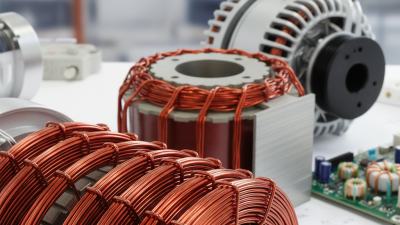
Another significant application is in motors. Varnished wire provides insulation against electrical leakage. This insulation contributes to the overall performance and longevity of electric motors. Winding coils in motors require specific varnishing to function optimally. The right balance of insulation thickness is essential. Too thin may cause failure; too thick can impact performance.
Additionally, varnished wire is used in coils for inductors. These components are integral in filtering signals in electronic devices. The varnish ensures the wire does not corrode, thereby maintaining the inductor's efficiency. However, engineers often need to assess the varnishing process. Any inconsistencies in thickness can lead to unexpected results in performance. This highlights the importance of quality control in manufacturing varnished wire.
Innovative Uses of Varnished Wire in Renewable Energy Solutions
Varnished wire plays a crucial role in renewable energy solutions. It offers excellent insulation and resistance to electrical interference. In wind energy systems, varnished wire is used in generators. This wire helps improve efficiency and longevity. Its durability withstands harsh environmental conditions. The wire is lightweight, making it easier to install and maintain.
Moreover, varnished wire finds application in solar energy systems. It connects solar panels to inverters. This connection is vital for energy conversion. It ensures reliable power transmission. However, there are challenges in selecting the right type of varnished wire. Factors like temperature and voltage ratings must be considered. The wrong choice leads to decreased performance.
In electric vehicle (EV) technology, varnished wire is also significant. It helps in the electric motor system, enhancing energy efficiency. But not all varnished wires are created equal. Some may not meet the high demands of the EV market. This inconsistency requires careful evaluation and testing. As industries evolve, refining these applications is essential.