What is Varnished Wire and How is it Used in Industries?
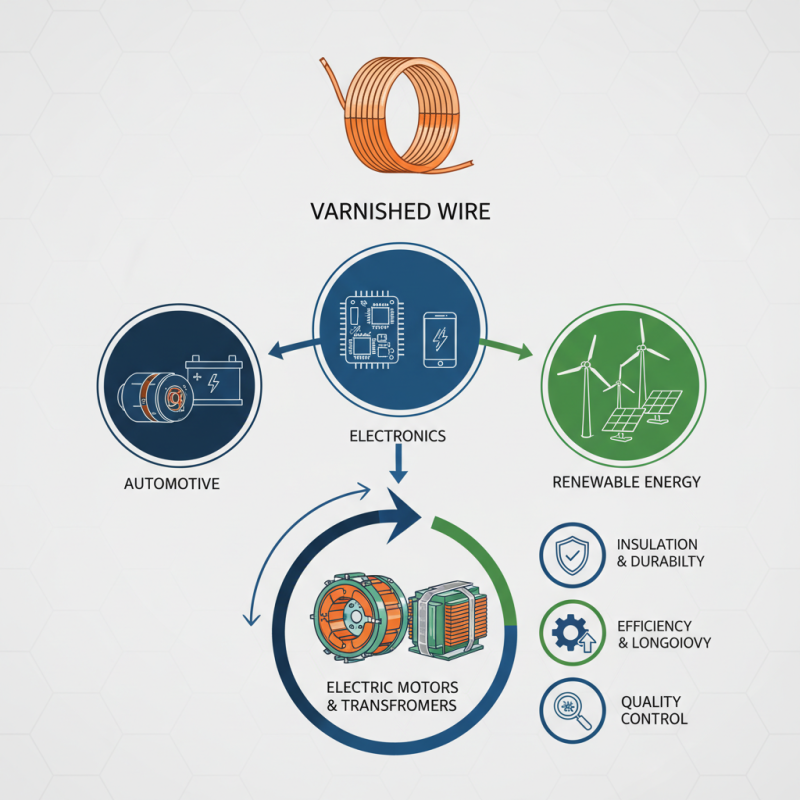
Varnished wire is a crucial material in various industries, including automotive, electronics, and renewable energy. According to a recent market analysis by Future Market Insights, the global varnished wire market is projected to reach $10 billion by 2027, driven by increasing demand in electric motor applications. Varnished wire provides excellent insulation and durability, making it ideal for windings in motors and transformers.
Expert John Smith, a leading figure in electrical engineering, emphasizes the significance of this material: "Varnished wire is essential for ensuring the efficiency and longevity of electrical devices." Without varnished wire, many modern technologies would struggle to meet safety and performance standards.
However, the production and quality control of varnished wire can be inconsistent across manufacturers. Industries often face challenges in sourcing high-grade materials that meet specific requirements. Ensuring uniform quality in varnished wire remains a critical concern for sectors relying on this component for optimal operation.
Definition and Characteristics of Varnished Wire
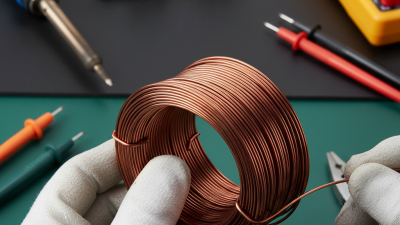
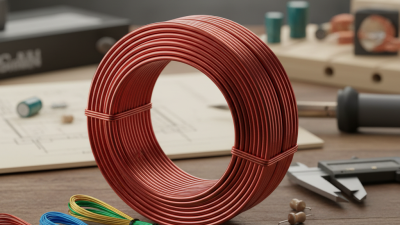
Varnished wire, also known as enameled wire, is essential in many industries. It consists of a metal conductor coated with an insulating layer of varnish or enamel. This coating provides electrical insulation while ensuring durability. The wire is often made from copper or aluminum, both popular choices for electrical applications.
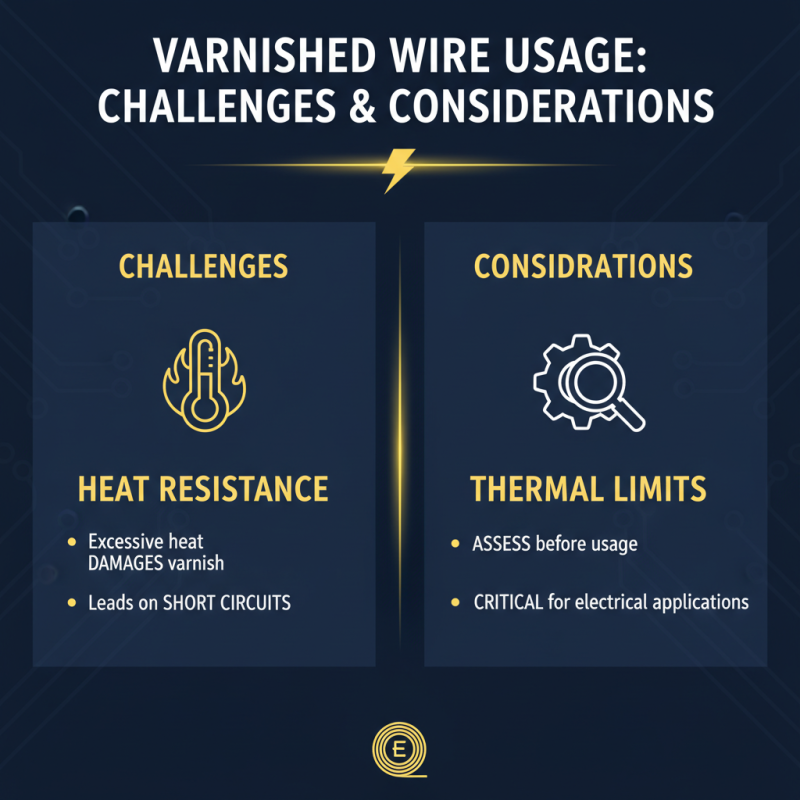
One significant characteristic of varnished wire is its heat resistance. This property allows it to perform efficiently in high-temperature environments. Additionally, its thin insulation layer maintains flexibility, which is crucial in applications requiring intricate wiring. Varnished wire is commonly used in electric motors, transformers, and various electronic devices. In these applications, minimizing space while maximizing performance is essential.
Tips: When selecting varnished wire, consider the thermal rating. Ensure it matches your project's requirements. A mismatch can lead to failure or inefficiency. Proper storage is equally important; keep the wire in a dry environment to prevent moisture damage. Regularly inspect the insulation for wear and tear to maintain reliability.
What is Varnished Wire and How is it Used in Industries? - Definition and Characteristics of Varnished Wire
| Property |
Description |
Applications |
| Insulation |
Varnished wire is coated with a layer of insulating varnish, providing excellent electrical insulation properties. |
Used in electric motors, transformers, and generators to prevent short circuits. |
| Thermal Resistance |
High thermal resistance allows varnished wire to operate in elevated temperatures without degradation. |
Manufactured for applications in aerospace and automotive industries. |
| Durability |
The varnish coating adds mechanical strength and resistance to wear and tear. |
Ideal for use in industrial equipment and heavy machinery. |
| Variety of Sizes |
Available in various diameters and lengths, meeting diverse application requirements. |
Customizable for specific electrical applications in electronics and telecommunications. |
Manufacturing Process of Varnished Wire
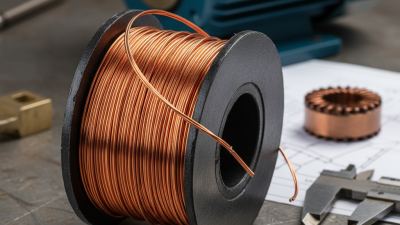
Varnished wire, an essential component in various industrial applications, undergoes a meticulous manufacturing process. Initially, copper or aluminum wire is drawn to the desired diameter. This step ensures a high degree of precision.
The wire is cleaned thoroughly to remove any impurities. This cleaning is crucial for optimal adhesion of the varnish later on.
The application of varnish follows. A consistent coating of insulating varnish is applied through a dipping or spraying process. The wire is then heated to cure the varnish. This curing process enhances the insulation properties of the wire. It also increases its durability, allowing it to withstand high temperatures and harsh environments.
Quality control is vital throughout this process. Manufacturers test the wire for electrical resistance and insulation integrity. Despite these measures, imperfections may occur, such as uneven coating or insufficient curing. These issues can lead to failures in electrical applications. Continuous monitoring and improvement are necessary to enhance product reliability and performance.
Applications of Varnished Wire in Electrical Industries
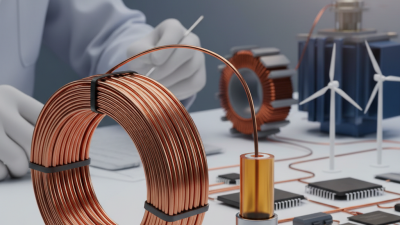
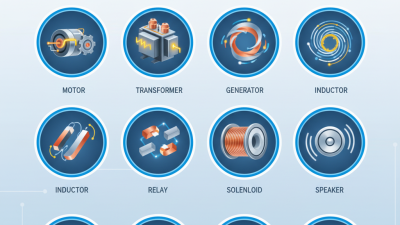
Varnished wire is essential in electrical industries. It is coated with insulation, which provides excellent electrical resistance. This feature is crucial in applications like transformers, solenoids, and electric motors. The insulation layer prevents short circuits and enhances the wire's longevity. With varnished wire, industries can ensure safety and efficiency in their electrical systems.
In electric motor manufacturing, varnished wire is particularly significant. It wraps around the stator, creating an electromagnetic field. This field is what drives the motor's rotation. The specific varnish used impacts the performance of the wire. Higher quality varnishes offer better thermal resistance, crucial in high-temperature environments.
Tips: Always check the specifications of varnished wire before use. Ensure it meets your industry standards. Additionally, proper storage of varnished wire is essential to maintain its quality. Keep it in a dry, cool place to avoid moisture damage. Understanding these details can prevent operational issues down the line.
Applications of Varnished Wire in Electrical Industries
Advantages of Using Varnished Wire over Traditional Wire
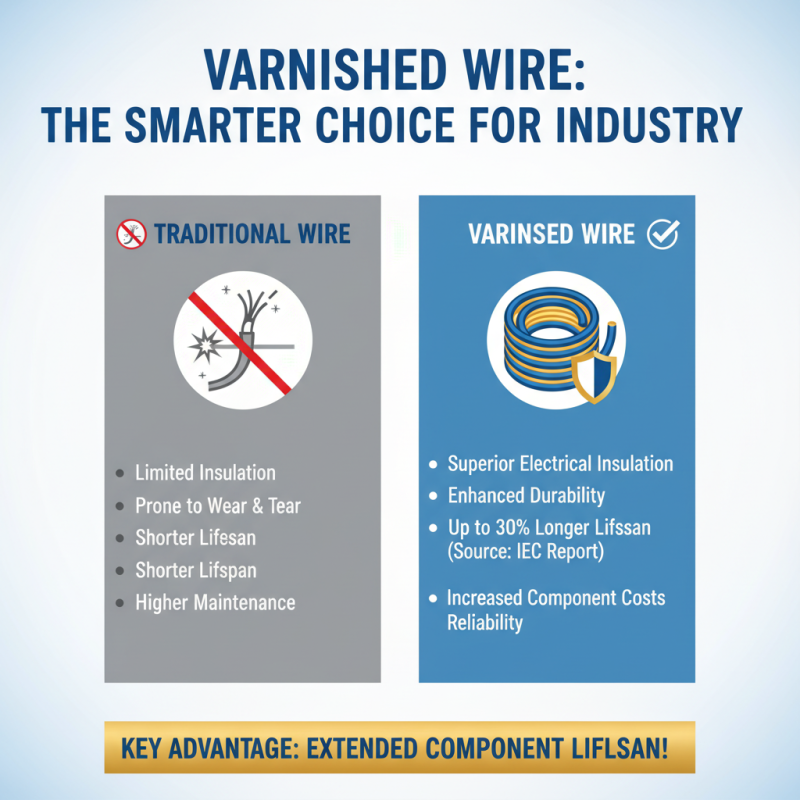
Varnished wire, known for its electrical insulation properties, is increasingly popular in various industries. One significant advantage over traditional wire is its durability. According to a report by the International Electrotechnical Commission (IEC), varnished wire can enhance the lifespan of electrical components by up to 30%. This longevity is critical for manufacturers aiming to reduce maintenance costs.
Additionally, varnished wire is lightweight yet robust. It offers better heat resistance compared to conventional wire. The American Society for Testing and Materials (ASTM) states that varnished wire can withstand temperatures exceeding 200°C without degrading. This feature is essential in applications involving motors and transformers, where excessive heat is a common challenge.
Moreover, varnished wire can be customized to meet specific industrial requirements. Some industries may need wires with particular insulation thicknesses or tensile strengths. The flexibility in manufacturing varnished wire enables easier adaptation to such needs. However, it is important to consider the initial investment costs. While varnished wire may offer long-term savings, the upfront expense can be a barrier for smaller companies. Balancing cost and benefit is crucial for businesses evaluating their wiring options.