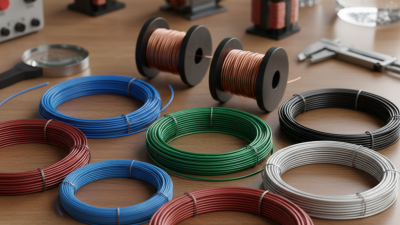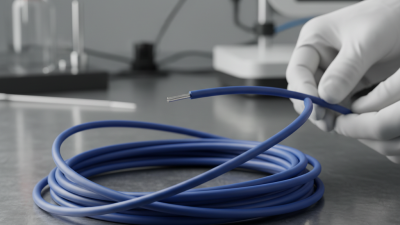
Choosing the right Coating Wire is not a simple matter of selecting the thickest insulation or the lowest price. Wire performance depends on temperature, voltage, bending stress, chemical exposure, and production speed. A motor winding may face repeated thermal cycling, while a transformer winding may demand stable dielectric strength for years. The application decides the priority.
Industry demand is becoming more demanding. The International Energy Agency’s Global EV Outlook 2024 reported more than 14 million electric cars sold worldwide in 2023. This growth increases pressure on motor manufacturers to produce compact, efficient, and reliable windings. The IEA’s Electricity 2024 report also projected strong global electricity-demand growth through 2026. More electrical equipment means greater attention to insulation quality and operating efficiency.
A practical evaluation should begin with the required thermal class, conductor diameter, insulation thickness, and voltage rating. Check IEC 60317 requirements and request test certificates from the supplier. Look for abrasion resistance, winding flexibility, solderability, and resistance to oil or refrigerants. Small details matter. A rough coating can crack at a sharp guide. A slightly inconsistent diameter can create crowded turns.
Price alone misleads.
A lower-cost product may increase scrap, downtime, or premature failure. However, the most advanced coating is not automatically the best choice. It may add cost without improving the actual application. I have seen specifications become excessive when engineers focus on laboratory results rather than production conditions. Reliable selection combines manufacturer experience, independent test data, and real winding trials. That evidence creates a more defensible decision.
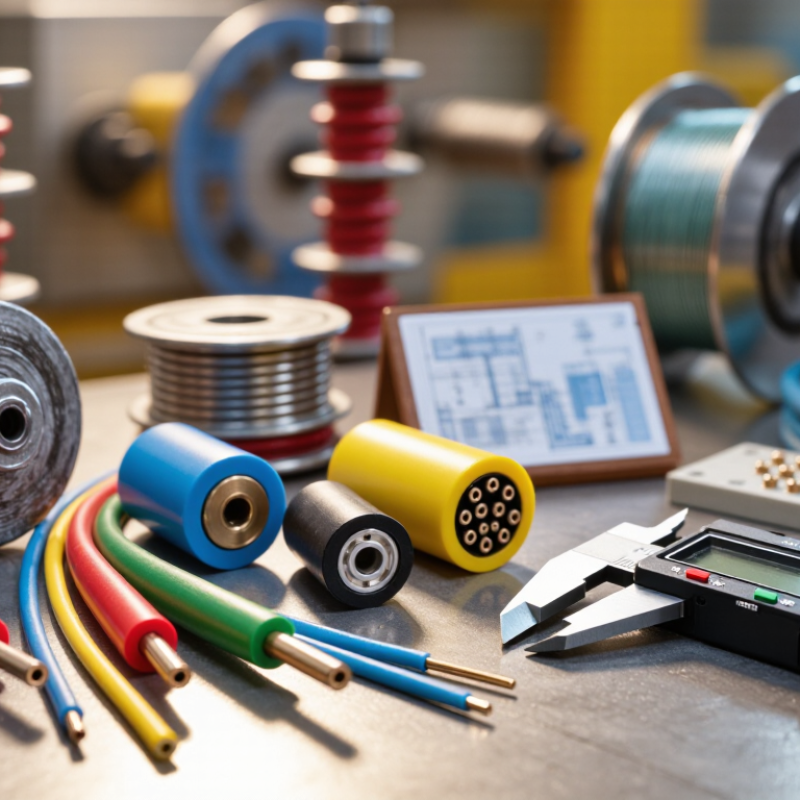
Choosing coating wire starts with a clear question: what must the finished layer do? A wire for corrosion protection needs different properties from one designed for abrasion resistance. Some applications require electrical conductivity, controlled hardness, or a smooth surface finish. Identify the base material first. Steel, aluminum, and nickel alloys can respond differently to heat and bonding.
Working conditions often decide the result. Record the operating temperature, humidity, chemical exposure, impact, and sliding contact. A pipe near saltwater faces a different risk from a machine part exposed to dry dust. Check the coating process, too. Wire diameter, feeding speed, heat input, and spray distance can affect adhesion and porosity. Small changes matter.
Use technical datasheets, verified test results, and relevant industry standards when comparing materials. Trial coupons can reveal cracking, poor bonding, or excessive roughness before production begins. Experienced technicians should examine the coated surface and measure thickness at several points. One measurement is not enough.
Field conditions are rarely perfect. A wire that performs well in a laboratory may behave differently during installation. I have seen material choices change after operators reported unexpected heat buildup and edge wear. That feedback deserves attention. Recheck the original assumptions, especially when the service environment changes. Keep records of batch details, process settings, inspection results, and maintenance findings. Reliable decisions come from evidence, not appearance alone.
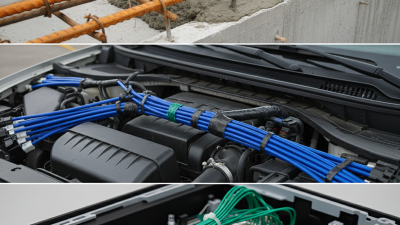
How to Choose the Best Coating Wire?
Choosing coating wire starts with the base material, not the color or surface finish. Copper carries current efficiently and bends easily during installation. Aluminum weighs less, but it needs careful connector selection and expansion control. Stainless steel offers strong corrosion resistance for demanding mechanical applications. Each option solves a different problem.
The coating must match the environment. PVC is economical and suitable for many indoor applications. Polyethylene performs well where moisture and abrasion are concerns. Fluoropolymer coatings tolerate heat, chemicals, and harsh outdoor exposure, but they often cost more. Nylon adds toughness and a smoother surface. Check temperature ratings, flexibility, chemical contact, and ultraviolet exposure before choosing.
Performance requirements should be measured, not guessed. Review voltage, current, tensile load, bend radius, operating temperature, and expected service life. In a practical inspection, look for cracks after bending, uneven thickness, exposed conductor, and poor adhesion. A small cut through the coating can reveal weak bonding. It is easy to focus on peak performance and overlook installation damage. That is a mistake.
Test samples under realistic conditions when possible. A wire that passes a laboratory rating may fail after repeated movement or moisture exposure. I would also question unusually low prices, because coating consistency is difficult to judge visually. The best choice balances material strength, coating protection, installation method, maintenance access, and verified performance data.
Comparison of common conductor and insulation combinations using typical electrical resistance and continuous operating-temperature ratings.
Lower resistivity improves current efficiency, while a higher temperature rating supports demanding thermal environments. Copper offers lower resistance than aluminum, whereas PTFE and FEP provide higher temperature capability than PVC and nylon. Actual ratings depend on wire size, insulation thickness, voltage, installation conditions, and applicable standards.
Choosing the best coated wire starts with the load, not the coating color. Define the working load, shock load, bend frequency, and expected service life. A wire used for a gate may need different strength than one supporting a suspended fixture. Select the core diameter from verified load data, then add the coating thickness. The finished diameter affects clamps, pulleys, holes, and threaded fittings. Measure it with a caliper. Do not guess.
Strength should include a practical safety margin, not only the advertised breaking load. Compare working load limits from consistent test methods. Inspect the wire’s construction, too. A compact core can resist pulling well, yet repeated bending may shorten its useful life. For hand-operated systems, flexibility often matters more than maximum tensile strength. For fixed supports, stiffness and fatigue resistance may matter more. Real conditions change. Water, salt, heat, chemicals, and abrasion can attack the core or coating. Choose a coating that remains stable across the actual exposure range.
Compatibility includes fittings, tools, and nearby materials. Some coatings increase friction, so fittings designed for bare wire may hold poorly. Others soften under heat or compress during crimping. Use fittings approved for the coated diameter and follow documented installation procedures. Before full installation, test a short sample through the intended bend path and inspect it after loading. Small size errors can create large alignment problems. That is easy to overlook. Recheck the selection when conditions change; the first choice is not always the best one.
| Wire Diameter | Approx. AWG | Typical Core Strength | Recommended Coating Thickness | Best Use Cases | Suitable Coating Materials | Key Selection Considerations |
|---|---|---|---|---|---|---|
| 0.8 mm | 20 | Approximately 400–600 MPa for low-carbon steel core | 0.15–0.30 mm | Light-duty ties, small control cables, compact assemblies | PVC, PE, nylon, thin fluoropolymer coatings | Offers good flexibility but has lower load capacity; avoid using it for primary structural loads without engineering verification. |
| 1.0 mm | 18 | Approximately 400–600 MPa for low-carbon steel core | 0.20–0.40 mm | General-purpose tying, light fencing, small springs and frames | PVC, PE, nylon, polyester | Select a flexible coating when repeated bending is expected; check that the finished diameter fits guides and fasteners. |
| 1.2 mm | 16 | Approximately 400–700 MPa for low-carbon or galvanized steel core | 0.25–0.50 mm | Medium-duty fencing, hooks, racks, protective guards | PVC, PE, nylon, polyester, zinc-based metallic protection | A practical balance between strength, flexibility, and coating coverage; galvanized cores provide additional corrosion protection. |
| 1.6 mm | 14 | Approximately 400–800 MPa, depending on steel grade and heat treatment | 0.30–0.60 mm | Heavy-duty fencing, support frames, industrial baskets and fixtures | PVC, PE, nylon, polyester, epoxy-based coatings | Use a high-strength core for tension loads and a thicker abrasion-resistant coating where the wire contacts hard surfaces. |
| 2.0 mm | 12 | Approximately 400–900 MPa, depending on steel grade and processing | 0.40–0.80 mm | Structural supports, heavy fencing, industrial handling equipment | PVC, PE, nylon, epoxy, zinc-rich systems | Higher diameter improves load capacity, but increases bending radius and finished product weight. |
| 3.0 mm and above | 11 and below | Approximately 400–1,200 MPa, depending on alloy, grade, and treatment | 0.50–1.20 mm | High-load supports, industrial frames, safety barriers and large fabricated components | PVC, PE, nylon, epoxy, zinc or aluminum-based protection | Confirm forming equipment capacity, minimum bend radius, coating adhesion, and the required safety factor before production. |
A reliable coating wire should survive real handling, not just pass a showroom inspection. I look for even coverage, firm adhesion, and a clean surface without bubbles or thin spots. During production, the wire may face bending, pulling, abrasion, and repeated movement. A coating that cracks around a tight bend can expose the core quickly. Durability testing should include abrasion cycles, bend tests, and heat exposure. Ask for measured results, not vague claims.
Safety requires more than a strong outer layer. Check the wire’s temperature rating, insulation behavior, dimensional accuracy, and compatibility with the intended application. Poorly controlled coating thickness may create weak insulation or fitting problems. Batch records and traceable inspection data also matter. A certificate helps, but it should match the actual production batch. I have seen polished samples hide inconsistent quality. That mistake is easy to make.
Environmental resistance deserves careful attention. Consider humidity, salt spray, ultraviolet light, oils, cleaning fluids, and sudden temperature changes. A wire used near machinery may need resistance to vibration and industrial chemicals. Outdoor exposure can age some coatings faster than expected. No coating is perfect. Testing should reflect the real environment, including its worst routine conditions. When specifications are unclear, request a small trial sample and inspect it after bending, soaking, and heating. The result may challenge your first choice.
How to Choose the Best Coating Wire?
Choosing coating wire requires more than comparing prices. Start by identifying the required coating type, diameter, tensile strength, and operating temperature. Then check relevant ASTM, ISO, or EN standards. Ask for current test reports, coating thickness data, and batch traceability. A certificate without supporting records is only paperwork.
Supplier reliability matters during real production. Request samples from the same manufacturing process used for larger orders. Inspect surface consistency, adhesion, spool winding, and packaging. Ask how rejected batches are handled. Clear answers often reveal more than polished sales material. In my experience, delivery consistency can prevent more trouble than a small material saving. I once focused too heavily on specifications and overlooked uneven winding. That mistake caused unnecessary line stoppages.
Tips: Compare total cost, not only the purchase price. Include freight, storage, setup time, waste, and replacement delays. Ask for a small trial order before committing. Record inspection results with photos and measurements. Also check whether the supplier can maintain the same quality six months later. Long-term value depends on stable performance, technical support, and predictable availability. A cheaper wire may require more cleaning, adjustments, or rework. Those hidden costs quietly reduce profits. Reconsider your choice when test results are incomplete, delivery promises seem vague, or the supplier avoids technical questions.